
Indian Air Force Accelerates Deployment of Indigenous Tejas Mk1A Fighter Jets

Strategic Deployment of Tejas Mk1A
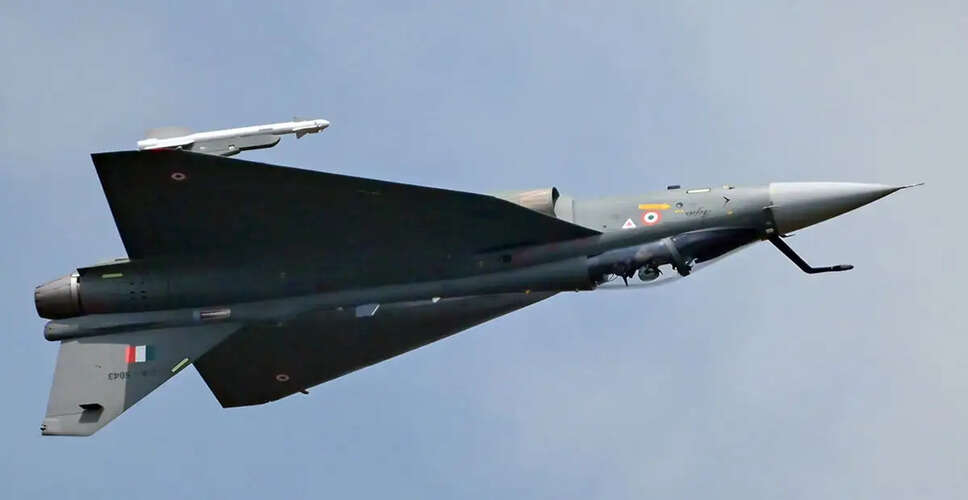
The Indian Air Force is making significant strides in deploying the domestically developed Tejas Mk1A fighter jets along the western border. Plans are underway to station the first four squadrons of Tejas Mk1A at advanced air bases in Rajasthan, particularly at the Nal Air Force Station in Bikaner and the Phalodi Air Force Station. These bases are considered strategically vital due to their proximity to the Pakistan border. This initiative is viewed as a major shift in India's military modernization strategy, enhancing its capabilities on the western front and bolstering indigenous defense production.
Phasing Out Older Aircraft
The Indian Air Force has been gradually retiring its aging Soviet-era MiG-21 Bison aircraft. The Nal Air Force Station has served as a primary operational hub for MiG-21 Bison squadrons for decades, but now the Tejas Mk1A is set to replace these older jets. According to defense sources, the first and third squadrons of Tejas Mk1A will be stationed at Nal, while preparations are underway for the second squadron at Phalodi, which is undergoing significant infrastructure upgrades to accommodate a larger fleet of indigenous fighter jets in the future.
Enhanced Response Capabilities
Experts believe that deploying the Tejas Mk1A near the western border will significantly enhance the Indian Air Force's rapid response capabilities. The presence of aircraft at forward bases will allow for quicker action in the event of air incursions, border tensions, or emergencies. Additionally, the ability to monitor, intercept, and prepare for attacks in the western desert regions will be strengthened. The Air Force is developing a system to ensure that aircraft are always ready for immediate takeoff, which is being referred to as a rapid response alert system.
Advanced Features of Tejas Mk1A
The Tejas Mk1A is an advanced version of India's indigenous light combat aircraft program, developed by Hindustan Aeronautics Limited. Compared to earlier models, it incorporates several modern and advanced features, including an active electronically scanned array radar capable of long-range target detection and monitoring. It also boasts a modern electronic warfare system that aids in evading enemy radar and missile systems.
Combat Readiness and Capabilities
This aircraft is equipped with beyond-visual-range missiles, including indigenous Astra missiles, allowing the Tejas to strike enemy aircraft or targets from a distance. Furthermore, it has in-flight refueling capabilities, which extend its operational range and duration. Enhanced avionics, modern communication systems, and advanced safety mechanisms make it a more effective and reliable asset for the Indian Air Force. Defense experts note that these features significantly improve the aircraft's survivability, combat resilience, and operational effectiveness.
Preparations at Air Bases
Special preparations are being made at both Nal and Phalodi air bases for the deployment of Tejas Mk1A. Strongly fortified aircraft shelters have been constructed to ensure the safety of the jets in the event of external attacks. Additionally, new maintenance centers, mission planning facilities, and modern technical amenities are being developed to ensure seamless operations of these modern fighter jets.
Current Operations and Future Plans
The Indian Air Force is already operating two squadrons of Tejas Mk1A, namely Number 45 Flying Daggers and Number 18 Flying Bullets, which were first deployed near the Pakistan border in 2020. With the introduction of the Mk1A variant, the Air Force is further strengthening its security along the western border.
Alignment with Self-Reliance Initiatives
This deployment is also seen as aligned with the central government's Atmanirbhar Bharat (self-reliant India) initiative. India is focusing on reducing foreign dependence in the defense sector and increasing domestic production. The Indian Air Force has placed an order for 180 Tejas Mk1A aircraft from Hindustan Aeronautics Limited, marking one of the largest purchases of indigenous fighter jets in the country's history. The goal is not only to develop modern military capabilities but also to lessen reliance on foreign supplies during crises.
Challenges Ahead
However, this significant project has faced some challenges, including delays related to engine availability and certification processes. Reports have indicated that the delivery of the aircraft has fallen behind schedule. Nevertheless, Hindustan Aeronautics Limited has asserted that several aircraft are ready for service, and delivery will accelerate once engine supplies stabilize.
Strategic Implications
Currently, the Indian Air Force operates fewer fighter squadrons than authorized. Thus, the Tejas program is considered a crucial foundation for meeting future needs. Ultimately, the deployment of Tejas Mk1A along the western border is not merely a military maneuver but is viewed as a decisive step in India's strategic thinking, technological self-reliance, and the development of modern air power.