
India Withdraws Bid to Host COP33 Climate Summit in 2028

India's Withdrawal from COP33 Hosting
On Friday, India confirmed its decision to retract its bid to host the COP33 climate summit in 2028. The reasons behind this surprising move remain unclear, as the government has only provided a vague explanation so far. During a weekly briefing, Foreign Ministry spokesperson Randhir Jaiswal acknowledged the withdrawal, stating that various factors were considered. However, he emphasized India's unwavering commitment to addressing climate change. The country continues to advance its green agenda while exploring ways to collaborate with international partners to enhance global climate action. This decision has raised eyebrows among climate experts, particularly due to the lack of detailed public clarification. Jaiswal referred inquiries on this matter to the Ministry of Environment, Forest and Climate Change, which has yet to respond.
A Broken Promise
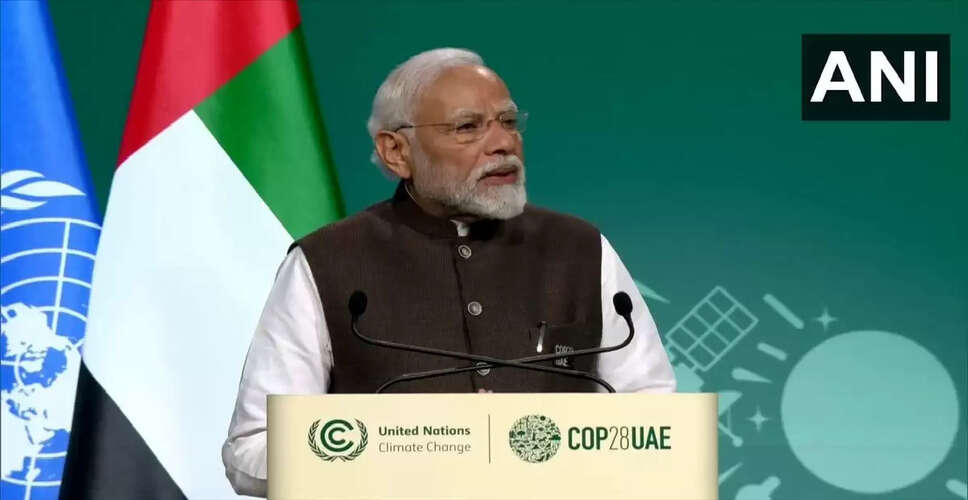
This withdrawal starkly contrasts with Prime Minister Narendra Modi's high-profile initiative, where he presented India's bid to host COP33 during the COP28 summit in Dubai in 2023. This announcement was perceived as a strong assertion of India's leadership role in global climate discussions, especially as a voice for the 'Global South.' In July 2024, the BRICS group—Brazil, Russia, India, China, and South Africa—endorsed India's proposal, leading to the establishment of a dedicated COP33 cell to manage planning and logistics for the event in 2025. The Ministry of Environment, Forest and Climate Change also created a special COP33 cell in July 2025 to handle the summit's professional and logistical requirements. During the briefing, Jaiswal advised journalists to seek further details from the Ministry of Environment, Forest and Climate Change.
Significance of the Decision
The implications of this decision extend beyond merely losing an event. India's withdrawal is expected to impact climate action both domestically and globally, raising serious concerns about the country's climate credibility. Last year, India missed two deadlines for submitting its updated Nationally Determined Contributions (NDC) for 2035, joining 76 UNFCCC member countries that failed to meet this requirement. Ultimately, India announced its updated targets in March 2026. Notably, PM Modi has also not attended the last two COP summits, delegating the responsibility to ministers instead.