
India Welcomes US-Iran Ceasefire, Hopes for Lasting Peace in West Asia
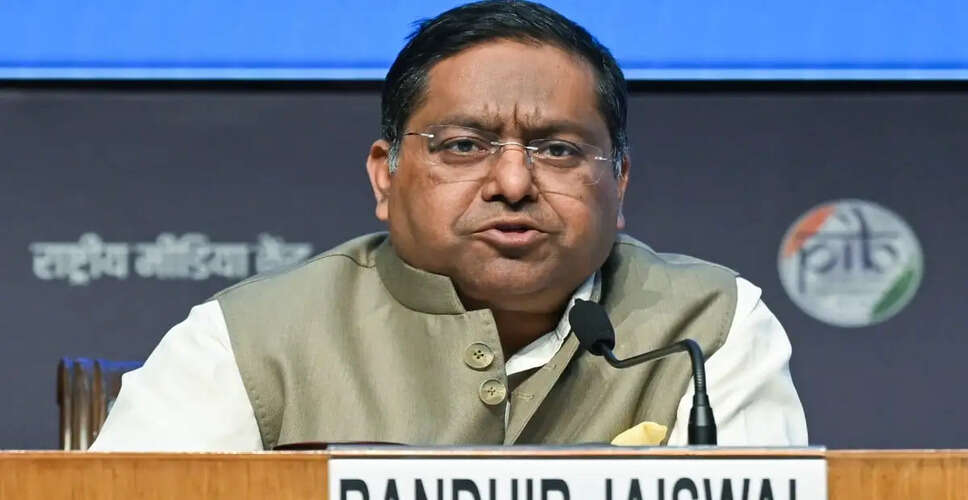

India's Response to US-Iran Ceasefire
India has expressed its approval of the recent ceasefire agreement between the United States and Iran, emphasizing hopes that this development will pave the way for enduring peace in the West Asian region. In an official statement released on April 8, 2026, the Ministry of External Affairs stated, "We welcome the ceasefire and hope it will lead to lasting peace in West Asia." The ministry reiterated the necessity of reducing tensions, dialogue, and diplomacy to swiftly resolve the ongoing conflict.
Importance of Maritime Security
The Ministry also highlighted the critical importance of ensuring uninterrupted and secure maritime traffic through the vital global energy corridor, the Strait of Hormuz, expressing optimism for the restoration of normalcy in maritime routes. The statement reiterated the call for reducing tensions and emphasized that dialogue and diplomacy are essential for ending the current strife.
Impact of the Conflict
The statement further noted that the ongoing conflict has inflicted significant suffering on the populace and disrupted global energy supplies and trade networks. India hopes for the restoration of unhindered navigation through the Strait of Hormuz and the resumption of global trade flows. On Wednesday, U.S. President Donald Trump announced a temporary suspension of planned military action against Iran, stating that attacks would be postponed for two weeks. This announcement was made on his social media platform, 'Truth Social,' alleviating immediate concerns over escalating tensions.
Bilateral Ceasefire and Diplomatic Efforts
Trump characterized this move as a bilateral ceasefire, indicating an expectation that both the U.S. and Iran will refrain from hostile actions during this period. This ceasefire is viewed as an effort to create space for diplomatic negotiations. According to the President, this decision was made following Iran's agreement to reopen the Strait of Hormuz, a crucial route for global oil transport, which is considered vital for international energy supply.