
India Voices Concern Over Gulf Energy Attacks: A Call for Stability
India's Response to Gulf Energy Infrastructure Attacks
New Delhi: On Thursday, India expressed serious concern regarding the recent assaults on energy facilities throughout the Gulf region, labeling these incidents as "deeply disturbing." The Indian government emphasized that such actions could exacerbate an already precarious global energy situation.
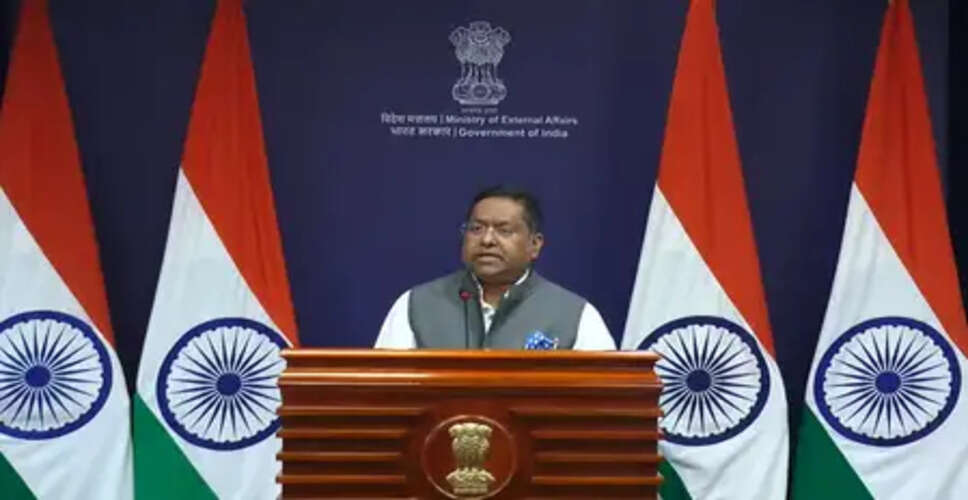
Randhir Jaiswal, spokesperson for the Ministry of External Affairs (MEA), addressed media inquiries about the recent attacks, reiterating India's previous stance against targeting civilian infrastructure, particularly energy-related sites.
"The recent assaults on energy installations across the region are alarming and only contribute to the instability of an already fragile energy landscape worldwide. These attacks are intolerable and must come to an end," he stated.
Reports suggest that the increasing frequency of attacks on oil and gas infrastructure in the Persian Gulf is escalating tensions in the ongoing US-Israeli conflict with Iran, potentially worsening the global energy supply crisis.
On Wednesday, US President Donald Trump remarked that the United States was unaware of Israel's strike on Iran's South Pars gas field and cautioned Tehran against further aggression towards Qatar, following Iran's attack on a segment of Qatar's LNG facility.
Iran has issued warnings to regional nations, declaring that several energy assets are now considered "legitimate targets" in light of the South Pars strike.
The South Pars field is recognized as the largest natural gas reserve globally and is jointly owned by Iran and Qatar.
On the same day, Prime Minister Narendra Modi engaged in discussions with Kuwait's Crown Prince, Sheikh Sabah Al-Khaled Al-Hamad Al-Mubarak Al-Sabah, to share perspectives on the evolving situation in West Asia and express concerns over recent events.
PM Modi reaffirmed India's condemnation of any attacks on Kuwait's sovereignty and territorial integrity, stressing the importance of maintaining safe and free navigation through the Strait of Hormuz.
Earlier, PM Modi also spoke with French President Emmanuel Macron to address the West Asian situation and the urgent need for de-escalation and a return to diplomatic dialogue.