
India Takes Strong Stance Against Illegal Immigration and Demographic Changes

Government's Aggressive Approach to Illegal Immigration
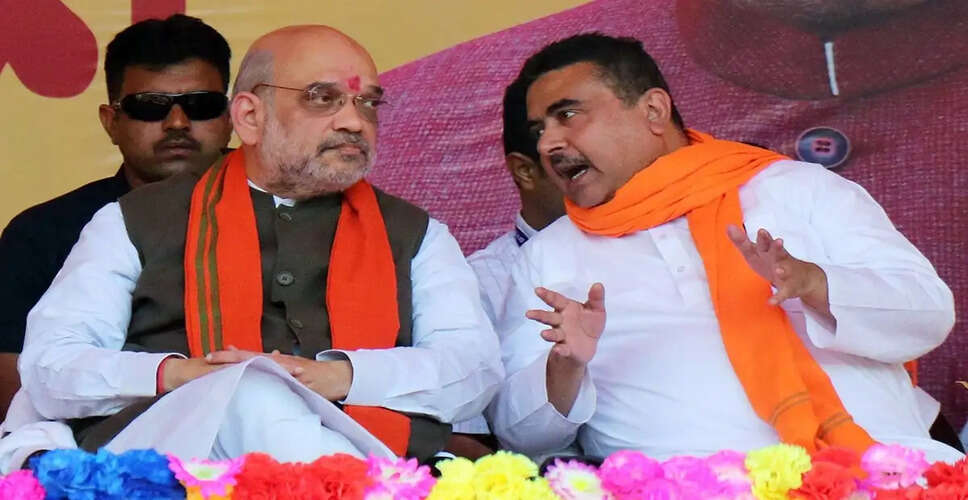
The Indian government has adopted a firm stance against illegal immigration and the shifting demographic landscape within the country. A high-level committee focused on demographic changes has briefed Union Home Minister Amit Shah on its comprehensive strategy. In West Bengal, Chief Minister Suvendu Adhikari has initiated a significant campaign aimed at cutting off resources for illegal immigrants. Numerous names of suspected beneficiaries have been removed from government schemes, and a rigorous citizenship verification process has commenced. The central government has made it clear that it will take decisive action against any attempts to disrupt the balance of the population through illegal immigration and fraudulent identities.
High-Level Committee's Strategy Presentation
The high-level committee met with Home Minister Amit Shah today to present its action plan. The committee emphasized its intention to visit various states and union territories to conduct a firsthand assessment of the ground realities, aiming to draw concrete conclusions on serious issues like illegal immigration, questionable citizenship, and population imbalance.
Data Collection and Recommendations
The committee informed the Home Minister that it has already prepared a questionnaire to gather detailed information from states and union territories. This will involve collecting extensive data from local administrations, government departments, and central ministries. The Home Minister praised the committee's strategy and instructed the Home Secretary to ensure full cooperation at all levels. He also urged the committee to submit its recommendations promptly, as this initiative is part of the 'High-Powered Demography Mission' announced by Prime Minister Narendra Modi on August 15, 2025.
Addressing the Challenges of Illegal Immigration
The Modi administration views illegal immigration not just as a border security issue but as a significant challenge to the country's social, economic, and political framework. In this context, the new government in West Bengal has launched a major initiative targeting millions of suspected beneficiaries. Chief Minister Suvendu Adhikari revealed that out of approximately 16 million applications for the Annapurna scheme, around 2.6 million were rejected due to citizenship-related verifications, as these individuals did not meet the established criteria.
Fraudulent Beneficiaries and Government Assistance
Adhikari also claimed that the previous Lakshmir Bhandar scheme had a substantial number of fraudulent beneficiaries. Investigations uncovered millions of names that had either been removed from the voter list, relocated, or were receiving government aid through multiple accounts. In several instances, assistance was even being issued in the names of deceased individuals. The state government has made it clear that benefits will only be extended to Indian citizens, and the public treasury will not be opened for illegal immigrants, prompting a widespread purge.
Voter List Revisions and Political Implications
During a special intensive revision of the voter list in West Bengal, 6.3 million names were removed, with 2.7 million cases still pending judicial processes, highlighting the seriousness of the issue. The government asserts that political appeasement over the years has allowed individuals who crossed borders to receive protection, significantly impacting the state's demographic structure. Under the new system, a stringent verification of each beneficiary's identity and citizenship is underway.
Rising Tensions with Bangladesh
Tensions between India and Bangladesh regarding cross-border immigration are also escalating. Reports from border areas indicate that Indian agencies are intensifying efforts to repatriate illegal immigrants. Conversely, Bangladeshi officials have accused India of pushing people across the border under the cover of darkness. However, the Indian side maintains that it is imperative to take strict measures against those who jeopardize national security and disrupt population balance. The West Bengal government has already claimed to have expelled over 10,000 illegal Bangladeshi immigrants, with thousands more undergoing the deportation process.
Northeast States' Firm Stance
Additionally, several northeastern states, including Assam, have firmly stated that illegal immigration will not be tolerated under any circumstances. Local governments assert that ongoing immigration poses a direct threat to local culture, resources, and population balance. Consequently, there is a swift move towards implementing a 'Identify, Remove, and Repatriate' policy.
Conclusion: A Clear Message Against Illegal Immigration
Ultimately, the borders of India cannot become a haven for chaos under the guise of compassion and generosity. While India has a long-standing tradition of providing refuge and humanitarian aid, this does not mean that anyone can unlawfully invade the country's systems, resources, and identity. The message is now unequivocal: those who attempt to alter the demographic structure through fraudulent identities, illegal documents, and organized immigration will face severe repercussions. India is no longer passive; it is prepared to respond decisively.