
India Responds to Ayatollah Khamenei's Death Amid Rising Tensions in West Asia
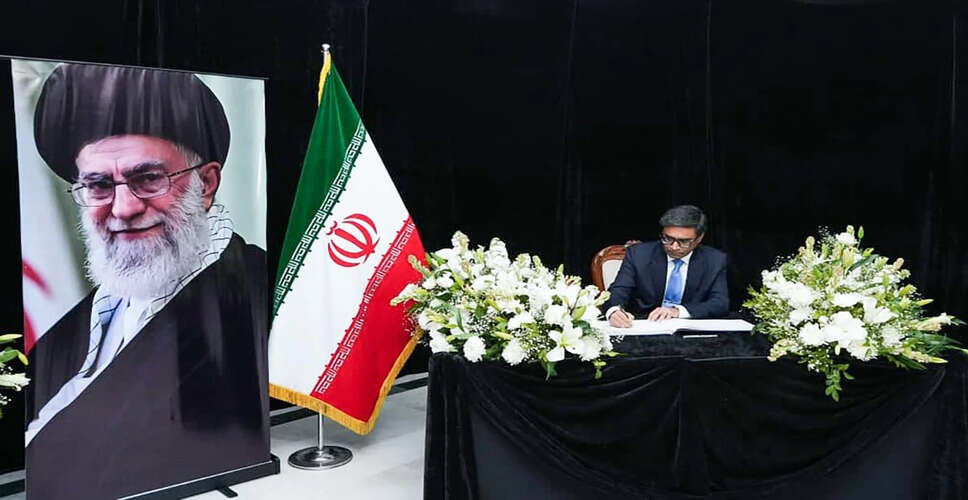
India's Official Condolences Following Khamenei's Passing
Following the death of Iran's Supreme Leader Ayatollah Ali Khamenei, there has been significant international speculation regarding India's delayed response. In a recent development, Indian Foreign Secretary Vikram Misri visited the Iranian embassy in New Delhi to sign a condolence book, expressing the Indian government's sympathies. This gesture is being interpreted as India's formal acknowledgment of Khamenei's demise.
Iran's Mourning Period and Public Observances
In the wake of Khamenei's death, the Iranian government has declared a forty-day public mourning period and a week of public holiday to honor what they describe as the Supreme Leader's martyrdom. Across the nation, religious gatherings and memorial events are being organized, including a tribute event at the Iranian embassy in New Delhi attended by Foreign Secretary Misri.
Escalating Security Concerns in West Asia
Meanwhile, the security situation in several cities across West Asia appears to be deteriorating. Reports from Doha and Manama indicate multiple explosions were heard, with residents noting that these occurred near central areas of the cities. Some individuals also reported unusual aerial activity, particularly in regions previously evacuated due to threats against the U.S. embassy.
UAE's Defense Measures Against Attacks
The United Arab Emirates has shared crucial information regarding recent attacks. According to the country's defense ministry, its air defense systems successfully intercepted three ballistic missiles. Additionally, a total of 129 drones were detected, with 121 neutralized in the air, while eight fell within the country's borders. Since the onset of aggressive actions from Iran, the UAE has faced 189 ballistic missile launches, with 175 intercepted, 13 landing in the sea, and one within its territory.
Casualties and Damage from Recent Attacks
The defense ministry also reported that 941 drones have been tracked, with 876 intercepted and 65 crashing within the UAE. Furthermore, eight cruise missiles were identified and destroyed. These attacks have resulted in limited damage and confirmed the deaths of three individuals, including citizens from Pakistan, Nepal, and Bangladesh. Additionally, 78 people have sustained injuries, with nationalities spanning various countries including the UAE, Egypt, Sudan, Ethiopia, the Philippines, Pakistan, Iran, India, Bangladesh, Sri Lanka, Azerbaijan, Yemen, Uganda, Eritrea, Lebanon, and Afghanistan.
Incidents in Abu Dhabi and Qatar's Precautionary Measures
In Abu Dhabi, debris from an intercepted drone fell, injuring six individuals in two industrial areas. Authorities confirmed the drone was successfully intercepted, but the falling debris caused injuries in surrounding areas. In response to the escalating threats, Qatar's Ministry of Interior has announced that residents near the U.S. embassy are being temporarily relocated to safer locations as a precautionary measure.
Impact on Air Travel and Diplomatic Urgency
The ongoing crisis is also affecting air travel significantly. Etihad Airways has announced the suspension of all scheduled commercial flights to and from Abu Dhabi until the morning of March 6 due to safety concerns, impacting thousands of travelers. On the diplomatic front, U.S. Secretary of State Marco Rubio has advised American citizens in 13 countries, including the UAE, Egypt, and Bahrain, to evacuate immediately.
Stranded Travelers and Economic Consequences
As a result of the crisis, many travelers remain stranded. Since March 1, over 17,000 passengers have been safely relocated, with the UAE government covering their accommodation and food expenses. Additionally, the conflict is beginning to affect commercial activities, with over 5,000 export containers stuck at India's Jawaharlal Nehru Port, including around 1,000 refrigerated containers filled with perishable goods, raising concerns about the supply chain and global trade.
UAE's Efforts to Repatriate Citizens
In light of the situation, the UAE has initiated special measures to repatriate its citizens. Etihad Rail has commenced passenger rail services in Abu Dhabi to bring back Emirati nationals stranded in Saudi Arabia. This service, originally scheduled to start at the end of the year, has been expedited due to the current crisis, with three special trains already operating to safely transport citizens. Those returning from Dubai have reported that while conditions are improving, they remain concerning.
Global Attention on Rising Tensions in West Asia
The escalating tensions in West Asia pose significant challenges not only to regional security but also to global diplomacy, trade, and transportation systems. The world is closely monitoring how the situation will unfold in the coming days.