
India Rejects Third-Party Involvement in Nepal Border Dispute

India's Stance on Nepal Border Issues
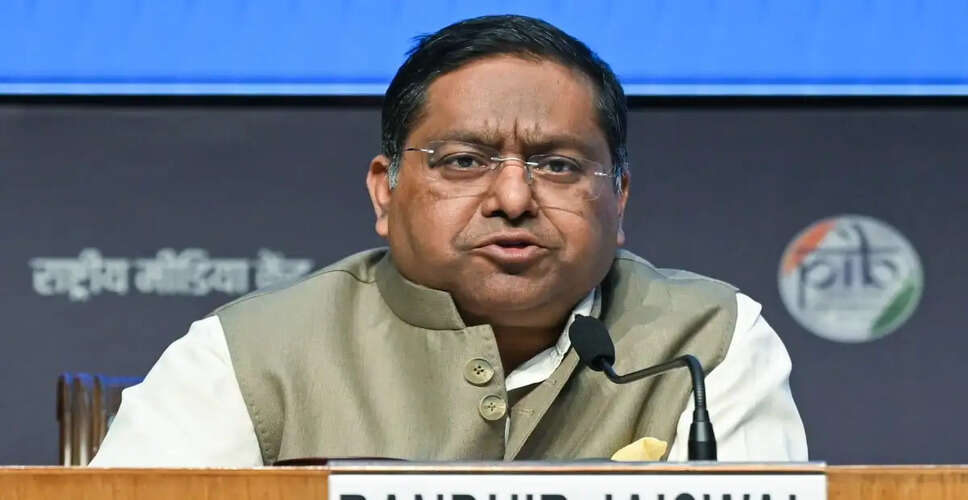
On Tuesday, India firmly dismissed any involvement of third parties in resolving its border dispute with Nepal. This statement came shortly after reports emerged that Nepal's Prime Minister, Balendra Shah, had sought the participation of China and the United Kingdom to address this long-standing issue. Responding to media inquiries regarding Shah's comments about 'Indian encroachment,' Foreign Ministry spokesperson Randhir Jaiswal emphasized that the resolution of bilateral matters between India and Nepal should solely be handled by the two nations without external interference.
Current Status of the India-Nepal Border
Jaiswal noted that approximately 98% of the India-Nepal border has already been demarcated, although some issues remain unresolved in certain areas. He explained that changes in the course of the Gandak River have contributed to these complications. Furthermore, he mentioned that there are ongoing cases of encroachment in demarcated regions and no-man's land, which are currently being mapped jointly.
Controversial Remarks by Prime Minister Shah
These remarks from Jaiswal followed a statement made by Shah on Sunday, where he indicated that discussions regarding the Lipulekh Pass border dispute would also involve China and the UK. He argued that since this issue has persisted since the time of British India, it is reasonable to include England in the discussions.
Historical Context of the Dispute
During his first appearance in the current parliamentary session, Shah expressed surprise at learning that encroachments were not solely by India but that Nepal had also encroached upon Indian territory in various locations. The longstanding border dispute between Nepal and India involves areas such as Lipulekh, Limpiyadhura, and Kalapani, which India claims as part of Uttarakhand.