
India Refutes Claims of Negotiations with Iran Over Seized Vessels
India's Stance on Vessel Negotiations
On Tuesday, the Indian government firmly rejected reports suggesting that it was in discussions with Iran regarding the release of three vessels that were seized in February. These vessels were reportedly taken in exchange for ensuring safe passage for Indian ships through the Strait of Hormuz.
This statement was made by the Ministry of External Affairs during a press briefing addressing the ongoing conflict in West Asia.
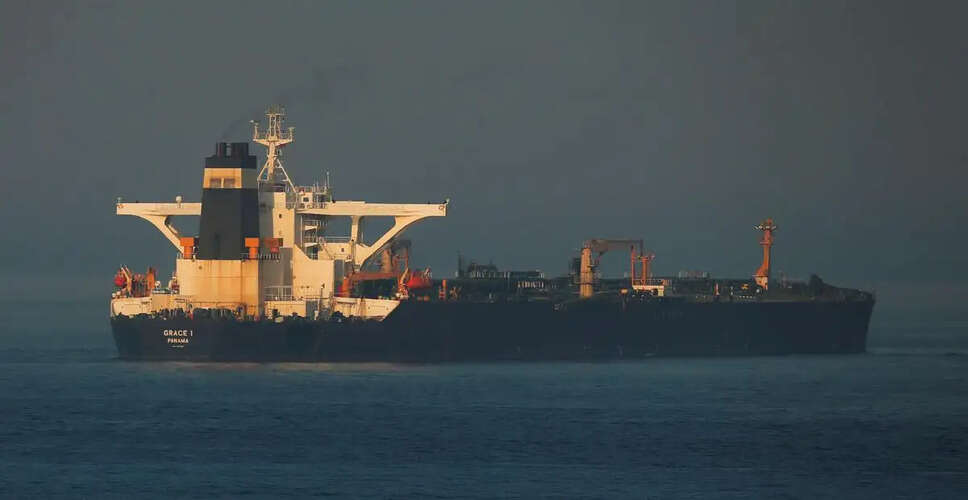
According to unnamed sources cited by a news agency, Iran had requested the return of three fuel tankers that India had seized. The vessels were linked to U.S. sanctions and were captured near Indian waters.
Indian officials claimed that these ships were involved in illegal mid-sea fuel transfers and had attempted to disguise their identities.
Additionally, it was reported that Iran has requested medical supplies and medications.
Ministry spokesperson Randhir Jaiswal dismissed these claims as unfounded, stating, “There has been no discussion of this nature.” He clarified that the seized vessels are not owned by Iran and are not classified as tankers.
Currently, the three ships are docked near Mumbai, as reported.
Iran has effectively restricted access to the Strait of Hormuz for most international commercial vessels, a critical maritime route through which approximately 20% of the world's petroleum supply flows.
On Monday and Tuesday, two Indian-flagged vessels carrying liquefied petroleum gas successfully reached India after navigating the Strait of Hormuz over the weekend.
These vessels were part of a group of 24 Indian-flagged ships that had been stranded in the Gulf since the conflict escalated on February 28.
External Affairs Minister S. Jaishankar mentioned in an interview that discussions with Iran have produced some positive outcomes regarding the passage of Indian vessels through this strategic waterway. However, he emphasized that there is no comprehensive agreement with Iran on this issue.
Each Indian ship's passage through the strait is being managed on a case-by-case basis, Jaishankar noted.