
India Reaffirms Commitment to Chabahar Port Amid U.S. Sanctions
India's Strategic Position on Chabahar Port
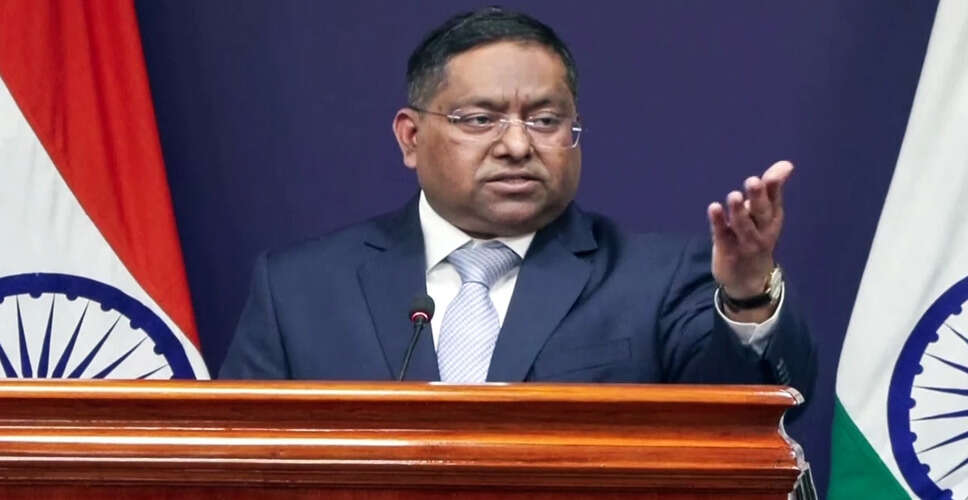
On January 16, 2026, the Ministry of External Affairs (MEA) of India provided significant updates regarding the strategically vital Chabahar Port project in Iran. The Indian government has dismissed reports suggesting its withdrawal from the project, clarifying that it is actively negotiating with Washington to secure exemptions from U.S. sanctions. Concerns arose after the Trump administration threatened to impose a 25% tariff on countries engaging in trade with Iran, raising doubts about India's involvement in the development of the strategically located port on Iran's southern coast in Sistan-Baluchistan.
Ongoing Negotiations with the U.S.
Despite the U.S. revoking its previous exemptions for this project, it has granted India a six-month waiver valid until April 26, 2026. The MEA confirmed that India is in active discussions with the U.S. to clarify conditions and ensure its continued participation in the project.
India's Strategic Interests
MEA spokesperson Randhir Jaiswal stated that India is exploring various options, including transferring its committed $120 million to minimize direct risks associated with the project. Another possibility under consideration is the establishment of a new entity to continue the development of Chabahar while minimizing risks for the Indian government.
India remains committed to this project due to its strategic importance and potential role in the International North-South Transport Corridor (INSTC), a 7,200-kilometer transport network connecting India, Iran, Afghanistan, Russia, Central Asia, and Europe.
Trade Relations with Iran
Last year, India’s bilateral trade with Iran reached $1.6 billion, comprising $1.2 billion in exports and $0.4 billion in imports. Despite escalating U.S.-Iran tensions, government sources indicated that the new tariffs are expected to have minimal impact on India's trade.
Safety of Indian Citizens in Iran
The MEA is closely monitoring the situation in Iran, where anti-government protests have resulted in over 2,500 fatalities.
Advisories for Indian Nationals
In light of the deteriorating security situation in Iran, the Indian government has taken stringent measures:
Travel Advisory: The MEA has advised Indian citizens to avoid traveling to Iran.
Exit Instructions: Indian nationals currently in Iran (approximately 9,000, including students and professionals) have been urged to leave the country as soon as possible using available commercial flights.
Impact of U.S. Administration: The warning from President Donald Trump about imposing a 25% additional tariff on countries trading with Iran has made diplomatic balancing quite challenging for India.
Current Situation and Future Goals
Currently, around 9,000 Indians, mostly students, reside in Iran. The Indian government has advised against travel to Iran and urged those already there to leave using available means. Jaiswal emphasized that the Indian embassy in Tehran is in constant contact with citizens to ensure their safety.
The unrest in Iran began following a decline in the Iranian currency, which escalated from economic grievances to demands for political change. President Trump has warned of military action if the Iranian government continues to crack down on protesters.
For India, Chabahar is not only vital for trade but also holds significant strategic importance. Before the April 26, 2026 deadline, India's primary objective is to find a sustainable diplomatic solution that mitigates the threat of U.S. sanctions and ensures uninterrupted regional connectivity.