
India Raises Concerns Over Rising Tensions in the Strait of Hormuz
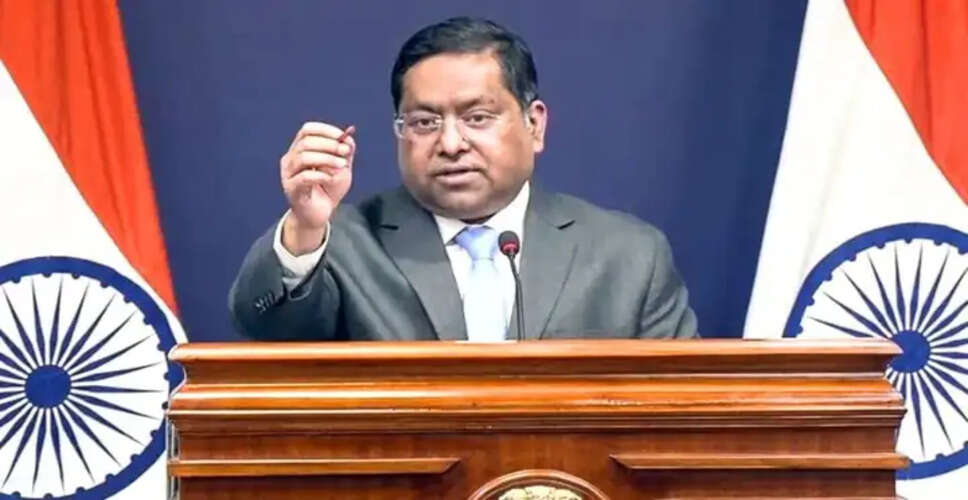

Strait of Hormuz: A Growing Concern
India has expressed its worries regarding the escalating tensions in the Strait of Hormuz and the safety of commercial vessels. The Ministry of External Affairs emphasized the urgent need to halt attacks on ships. Ensuring safe passage through international maritime routes is deemed crucial by India, as any military actions or assaults in this region could have repercussions beyond the involved nations, impacting global trade, energy supplies, and economies.
India's Clear Message Amidst Rising Tensions
The Strait of Hormuz is a vital maritime route in West Asia, facilitating the transport of significant quantities of crude oil and natural gas to various countries worldwide. Disruptions to shipping in this area could lead to increased pressure on oil prices and energy supplies in international markets.
This maritime route holds particular importance for India, as a substantial portion of the country's energy needs is met through imported oil and gas. Therefore, maintaining peace and secure navigation in the Strait is closely linked to India's economic and strategic interests.
Concerns Over Attacks on Commercial Vessels
The targeting of commercial vessels on maritime routes has raised alarms within the international community. Such attacks pose risks to the lives of crew members and can lead to disruptions in cargo supply, increased insurance costs, and changes in shipping routes.
A significant aspect of this issue for India is the safety of Indian sailors, as many citizens work in the international maritime transport sector. Heightened tensions in sensitive maritime areas necessitate ensuring the safety of Indian crew members passing through.
Importance of the Strait of Hormuz
The Strait of Hormuz is a narrow maritime passage connecting the Persian Gulf to the Gulf of Oman and the Arabian Sea. It is crucial for energy supplies from countries like Saudi Arabia, Iraq, Kuwait, the UAE, and Iran.
Any disruption to shipping in this route could affect the global supply of crude oil and gas, impacting fuel prices, transportation costs, and industrial expenses. For energy-importing nations like India, such scenarios become particularly significant.
India's Priority: Peace and Secure Maritime Navigation
India has consistently stressed the importance of keeping international maritime routes open and secure. Maintaining normal commercial activities at sea is essential for the global economy. Additionally, diplomatic efforts and dialogue play a crucial role in reducing regional tensions.
To stabilize the situation in the Hormuz region, dialogue among involved nations, maritime security cooperation, and efforts to de-escalate tensions will be vital. It is also essential for India to monitor energy supplies and the safety of its citizens amid changing circumstances in West Asia.
What Lies Ahead?
The future situation in the Strait of Hormuz will depend on the measures taken to alleviate regional tensions and ensure the safety of commercial vessels. Many countries, including India, are interested in restoring normal navigation in this route.
Currently, maritime security, energy supply, and the safety of Indian sailors are key aspects of this issue. India's stance is clear: effective measures must be implemented to prevent attacks on commercial vessels and secure international maritime routes.