
India Launches Comprehensive Counter-Terrorism Strategy 'Prahaar'
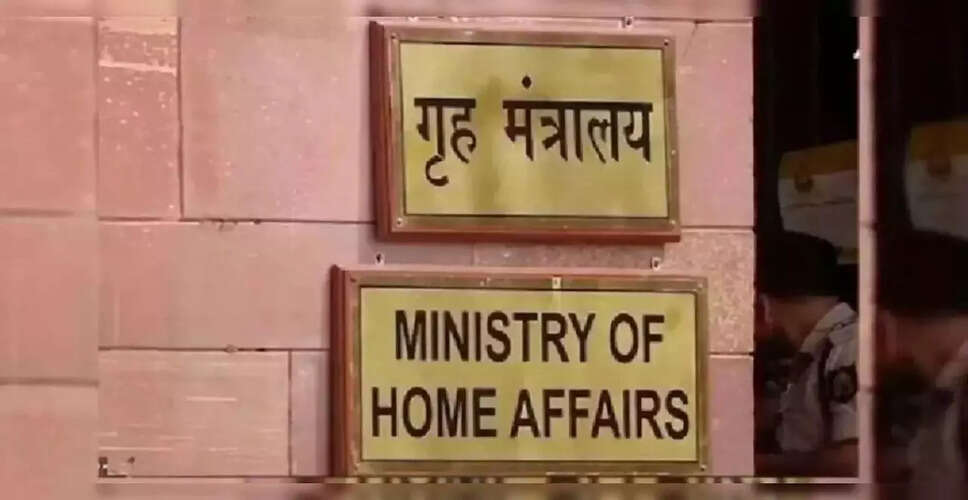
Introduction of 'Prahaar' Policy
New Delhi, Feb 24: The Indian government has introduced its inaugural counter-terrorism initiative named 'Prahaar', which outlines a detailed strategy emphasizing 'zero tolerance' towards terrorism. This approach focuses on intelligence-driven prevention and disruption of extremist activities, aiming to restrict terrorists and their supporters from accessing financial resources, weaponry, and safe havens.
Key Components of the Policy
The Home Ministry presented this policy on Monday, which is structured around seven fundamental pillars designed to combat terror threats both domestically and internationally. These pillars include prevention, responsive measures, enhancing internal capabilities, adherence to human rights and the rule of law, addressing conditions that foster terrorism such as radicalization, coordinating international counter-terrorism efforts, and promoting recovery and resilience through a comprehensive societal approach.
Context of Terrorism in the Region
The document highlights the persistent instability in India's immediate neighborhood, which has often led to ungoverned territories. It notes that certain regional nations have occasionally utilized terrorism as a tool of state policy, implicitly referencing Pakistan.
India's Stance on Terrorism
India firmly maintains that terrorism is not associated with any particular religion, ethnicity, nationality, or civilization. The country has consistently condemned terrorism and its use by any entity for achieving various objectives, both stated and unstated.
Support for Terrorism Victims
The document asserts India's unwavering support for terrorism victims and its belief that there is no justification for violence globally. This principled stance underpins New Delhi's 'zero tolerance' policy against terrorism.
Challenges from Terrorist Groups
India has been significantly impacted by cross-border terrorism, with jihadist groups and their affiliates orchestrating attacks within the country. Global terrorist organizations like Al-Qaeda and ISIS have also attempted to incite violence through sleeper cells.
Modern Tactics of Terrorists
The policy outlines that terrorists operating from foreign territories have plotted to instigate violence in India, utilizing advanced technologies, including drones, to facilitate attacks in regions like Punjab and Jammu and Kashmir.
Collaboration with Criminal Networks
Furthermore, terrorist organizations are increasingly collaborating with organized crime networks for logistics and recruitment to carry out attacks in India. They leverage social media and instant messaging applications for propaganda, communication, funding, and orchestrating terror activities.