
India Issues Travel Advisory Amid Iran Protests
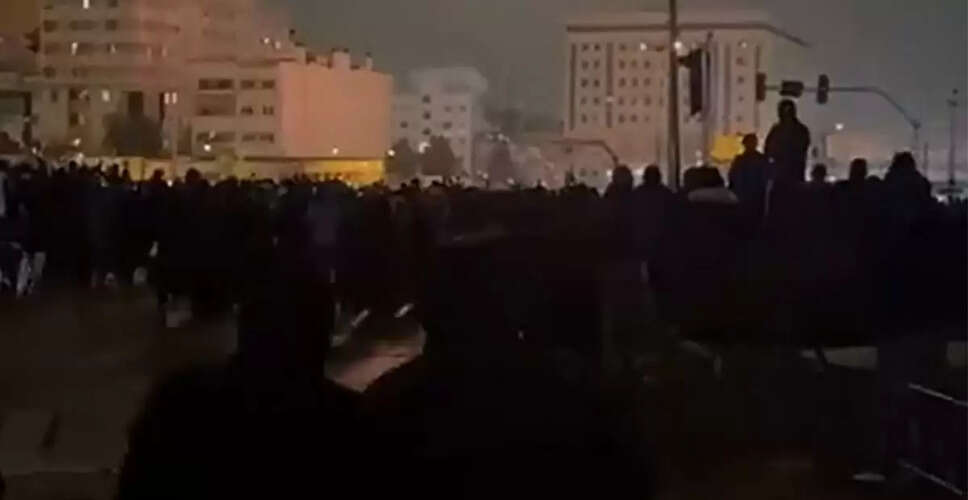
Travel Advisory for Indian Citizens
On Wednesday, the Indian government released a new travel advisory, urging its citizens to refrain from traveling to Iran due to the intensifying anti-government protests. The Indian embassy in Tehran has also recommended that Indian nationals currently in Iran depart as soon as possible.
The Ministry of External Affairs emphasized that Indian nationals are "strongly advised" to avoid travel to the West Asian nation until further notice.
Advisory for Indian nationals regarding travel to Iran
— Randhir Jaiswal (@MEAIndia) January 14, 2026
🔗 https://t.co/6nSHTg45Bu pic.twitter.com/JWK1xC8EQO
The Indian Embassy in Tehran has advised all Indian citizens, including students, pilgrims, business travelers, and tourists, to leave the country using available transportation options, such as commercial flights.
"All Indian citizens and persons of Indian origin (PIOs) are urged to exercise caution, avoid protest areas, maintain contact with the Indian Embassy in Iran, and stay updated through local media," the embassy stated.
According to reports, there are around 10,000 Indians residing in Iran, many of whom are students. Additionally, the country attracts thousands of Shia pilgrims from India each year.
— India in Iran (@India_in_Iran) January 14, 2026
This advisory follows significant unrest in Iran over the last two weeks, with reports indicating that approximately 2,000 individuals, including security forces, have lost their lives during the protests, according to an Iranian official speaking to Reuters.
The protests, which began on December 28, initially centered around grievances related to rising inflation but quickly expanded as demonstrators across more than 100 cities called for an end to clerical governance.
Iranian authorities have accused the United States and Israel of instigating the unrest.
On January 8, the government cut off internet access and telephone services, effectively isolating the country from the outside world.
As reported by AP, the restrictions were partially lifted on Tuesday, although text messaging services remained unavailable and internet users could only access government-approved websites.
One protester arrested on January 8 has received a death sentence.
Volker Turk, the United Nations High Commissioner for Human Rights, expressed that he was "horrified" by the violence in Iran.
"The killing of peaceful demonstrators must cease, and labeling protesters as 'terrorists' to justify violence against them is unacceptable," Turk stated.
He also described the potential for death sentences for protesters as "extremely concerning".