
India Increases LPG Allocation to Support Key Industries Amid Global Energy Crisis
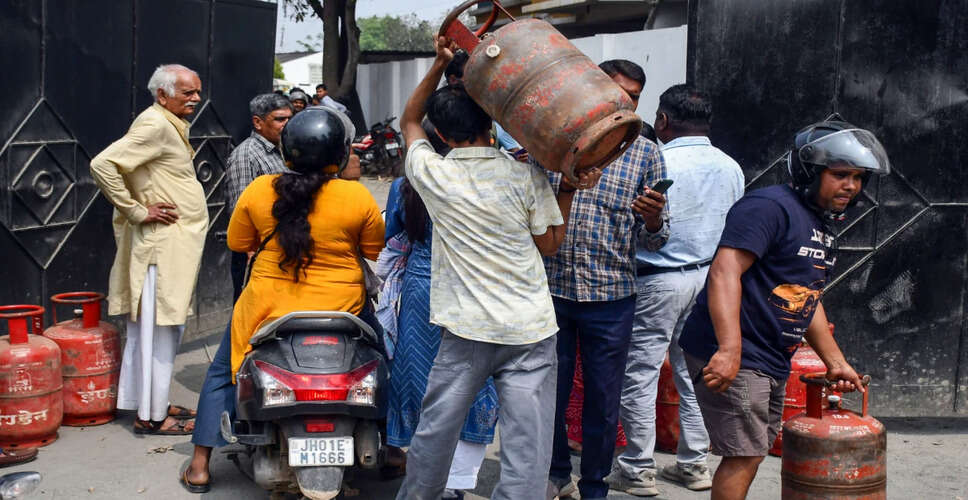
Boosting LPG Supply for Industries
In response to global energy challenges, India has raised the allocation of commercial LPG to states to 70% of pre-crisis levels, aiming to alleviate pressure on major industries. Hardeep Singh Puri stated that this initiative will benefit sectors such as steel, automobiles, textiles, and other labor-intensive industries. He emphasized that priority will be given to industries where LPG cannot be substituted with natural gas from pipelines.
Ensuring Energy Security
In a post on X, Puri noted that while many countries have implemented strict fuel-saving measures like odd-even schemes and four-day work weeks due to high fuel prices, India remains committed to ensuring energy security, availability, and affordability. This decision is expected to provide relief to industrial activities in states amid the global energy crisis triggered by the closure of the Hormuz Strait.
Communication to States
Additionally, Neeraj Mittal has communicated the revised allocation details to all states and union territories through a letter. He mentioned that an extra 20% allocation is being provided on top of the current 50%, bringing the total commercial LPG supply to 70% of pre-crisis levels. This additional allocation will prioritize industries such as steel, automobiles, textiles, dyeing, chemicals, and plastics, particularly those reliant on LPG for specific heating needs and unable to switch to natural gas.