
India Faces Setback in Christchurch Test Amid Batting Struggles
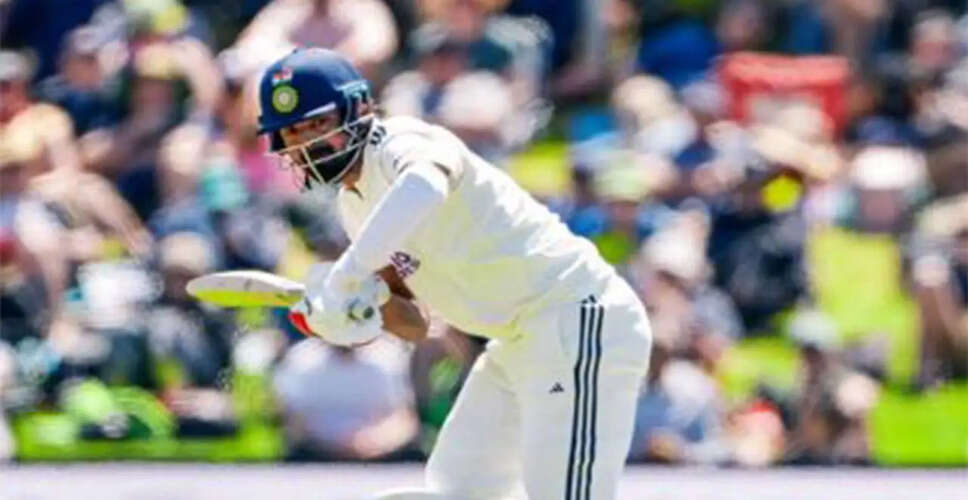

India's Batting Woes in Christchurch Test
Christchurch, New Zealand - On November 28, following a disappointing batting performance, Indian spin bowling coach Sairaj Bahutule reflected on the team's struggles, noting that the match remains within reach until the last ball is bowled. After achieving a remarkable 720/9 in Wellington, India's batting faltered in the first innings at Christchurch, where they managed only 116 runs for 6 wickets in response to New Zealand's first innings total of 356.
Key dismissals of KL Rahul and Rishabh Pant were particularly detrimental, as both players fell while attempting aggressive shots. Captain Shubman Gill (17), Devdutt Padikkal, Pant (23), and Rahul (25) all failed to convert promising starts into substantial scores.
During the post-match press conference, Sairaj expressed disappointment over the lack of partnerships and the team's inability to perform to their potential. He emphasized the importance of building partnerships, especially on challenging pitches, stating, "You can never say that the game is out of reach until the last ball is bowled. However, it was indeed a disappointing day for us. We couldn't form the necessary partnerships, and while all batters had their moments, we failed to capitalize on them."
He also pointed out that shot selection was a critical issue, with batters having their own strategies that sometimes led to poor judgment. Sairaj acknowledged that the bowlers initially struggled to maintain tight lines, which allowed the New Zealand batters to exploit the seam movement. As the match progressed, the bowling improved, but he believed that New Zealand could have been restricted to a lower score.
Sairaj noted, "We could have bowled tighter lines on the first morning, which would have created more doubt in the batters' minds. Although we improved as the game went on, we missed several catching opportunities that could have changed the course of the match. We acknowledge that we had a bad day with the bat, but there are still three days left, and anything can happen."
Regarding Rishabh Pant's dismissal, which occurred during a crucial partnership with KL Rahul, Sairaj described Pant as a "unique player" who sometimes takes risks that may not always pay off. He remarked, "The need for a partnership was evident, and while Rishabh is in form after his previous century, his aggressive style can lead to both success and failure. Unfortunately, today was not his day."
In the match context, India chose to bowl first and dismissed New Zealand for 356 runs in their first innings. Captain Tom Latham scored 59 runs, and Devon Conway contributed 31 runs, establishing a solid 77-run opening partnership. Despite reducing New Zealand to 184/5, a 63-run partnership between Glenn Phillips (36) and Tom Blundell (89) helped the Kiwis recover. Blundell, playing his 50th Test, played a resilient innings, forming crucial partnerships with lower-order batsmen.
By the end of the second session, India found themselves at 59/3, having lost Yashasvi Jaiswal (0), Devdutt Padikkal (21), and Shubman Gill (17). Matt Henry and Kyle Jamieson were instrumental in dismantling the Indian batting lineup, leaving India at 116/6 at the close of day two, with Dhruv Jurel remaining not out on 7.