
India Faces Potential Palm Oil Crisis Amid Iran Conflict

Impact of Iran Conflict on Palm Oil Supply
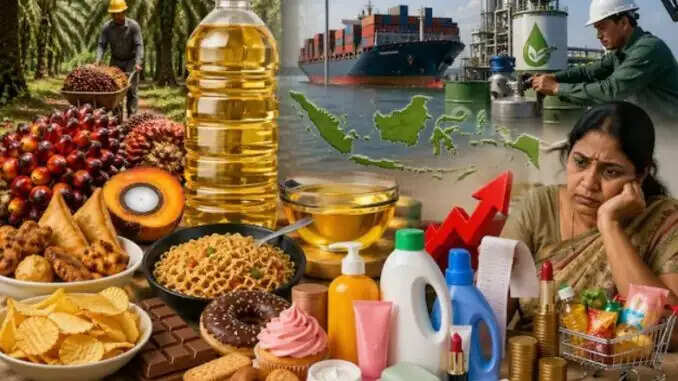
New Delhi: The ongoing conflict in Iran may lead to a significant crisis regarding oil in India, but not just in terms of petrol and diesel. A more pressing issue is emerging concerning palm oil. India is the largest importer of palm oil globally, utilizing approximately 9.5 million tons annually.
Domestically, palm oil production is less than 400,000 tons, meaning the vast majority is imported. The palm trees, which are the source of palm oil, require consistent rainfall and abundant water, making Southeast Asia the primary region for their cultivation. Indonesia and Malaysia are the main suppliers, with India importing around 9 million tons from these countries.
Palm oil constitutes about 40% of the total cooking oil consumed in India, primarily due to its lower cost compared to other oils and its long shelf life. Many households rely on affordable palm oil for cooking.
What products are made from palm oil in India?
It is estimated that half of the households in India use palm oil or oils blended with palm oil for cooking. Many fried snacks available in the market, such as chips, namkeen, bhujia, samosas, vadas, and French fries, are prepared using palm oil due to its stability at high temperatures, which helps maintain crispiness.
Baked goods like biscuits, cookies, cakes, and pastries also contain palm oil. Instant noodles, chocolates, and ice creams are increasingly made with palm oil.
Ready-to-eat meals, sauces, gravies, bread, and pizza also incorporate palm oil. Overall, more than 70% of the food industry relies on palm oil.
Restaurants, hotels, and street food vendors extensively use palm oil for frying and tempering, especially during festivals when the demand for fried foods and sweets surges.
Beyond food, palm oil is a key ingredient in soaps, shampoos, and body washes, contributing to the lather. It is also found in creams, lotions, moisturizers, lipsticks, and even toothpaste. Laundry detergents and paints often contain palm oil as well.
This indicates that palm oil is deeply embedded in daily life in India, from morning puris to evening biscuits, soaps, and shampoos. Its usage in food products ranges from 70% to 90%, with the remainder in soaps, cosmetics, and other items.
Why is palm oil so widely used?
The primary reason is its affordability. For instance, palm oil may cost around ₹125 per liter in bulk, while other oils range from ₹150 to ₹175 per liter. Although prices fluctuate, the main reason for palm oil's popularity is its low cost and availability, especially since India does not produce enough cooking oil domestically and relies on imports.
Products like soaps, shampoos, biscuits, and chips heavily utilize palm oil. A decrease in supply could lead to soaring prices for these items.
So, what is the connection to the Iran conflict? While palm oil is sourced from Southeast Asia, which is not affected by the Strait of Hormuz, the issue arises from Indonesia's recent announcement to impose restrictions on palm oil exports, prioritizing domestic consumption.