
India Faces Potential Condom Shortage Amid Global Supply Chain Disruptions

Impact of Global Events on India's Condom Market
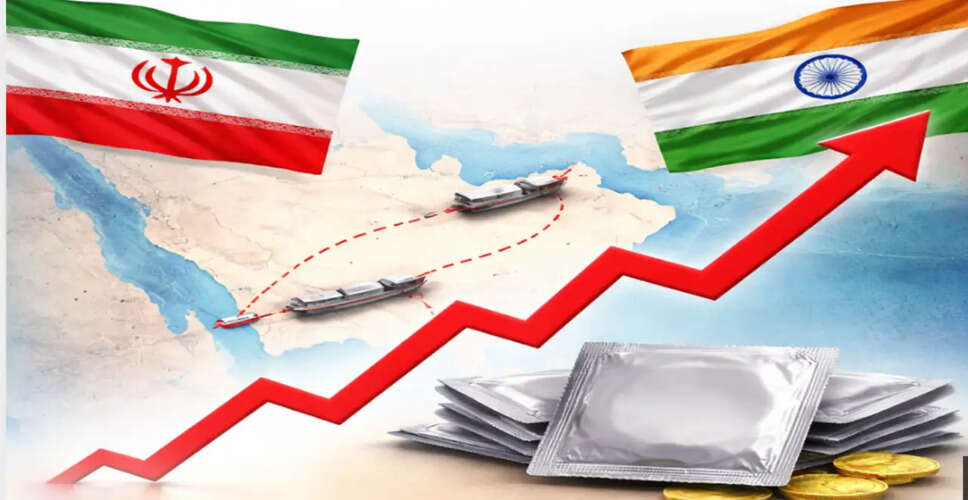
New Delhi: India's integration into global supply chains is revealing unforeseen challenges. Following disruptions in the oil and gas sectors, the ongoing conflict in West Asia is now posing a threat to the country's contraceptive market, leading to concerns about a potential shortage of condoms and escalating prices. Market analysis indicates that condom manufacturing is being adversely affected due to a lack of essential raw materials like anhydrous ammonia and silicone oil. Ammonia is crucial for stabilizing natural rubber latex, while silicone oil serves as a lubricant in the final product. The disruptions in supply and price fluctuations of these materials are already impacting production timelines and order fulfillment among manufacturers.
Factors Contributing to Rising Costs and Import Disruptions
The underlying issue stems from the ongoing geopolitical turmoil. The conflict in West Asia is disrupting trade routes, especially through the Strait of Hormuz, putting pressure on India's import-reliant supply chain. Approximately 86% of India's anhydrous ammonia is imported from Gulf nations like Saudi Arabia, Qatar, and Oman, making the industry particularly susceptible to regional unrest. Prices are already on the rise, with industry forecasts predicting a 40–50% increase in ammonia costs, while silicone oil prices have surged significantly due to limited supply linked to refinery outputs and global logistics challenges. Additionally, manufacturers are encountering shortages and rising costs for packaging materials such as aluminum foil, polyvinyl chloride, and other chemicals, which further squeeze profit margins and heighten the risk of retail price increases. India's condom market, valued at around $1.7 billion, may experience both supply limitations and decreased accessibility if the current situation persists.