
India Expands Air Defense with Additional S-400 Squadrons from Russia
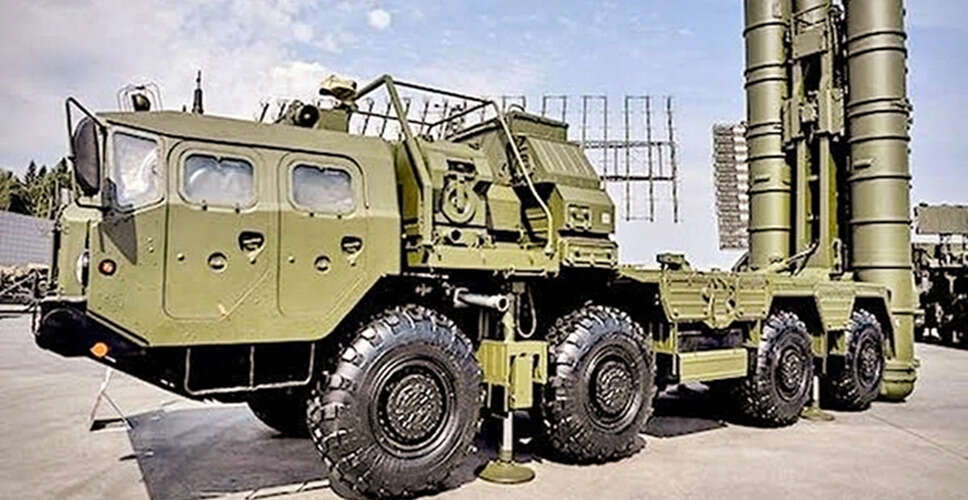

Strengthening India's Air Defense
The Indian Air Force is set to enhance its aerial capabilities significantly. Following the successful 'Operation Sindoor' last year, which effectively countered Pakistani aircraft and missiles, India is preparing to acquire five more S-400 'Surya Chakra' air defense squadrons from Russia. The Ministry of Defence is expected to approve this proposal for the Air Force soon.
This decision comes at a time of heightened tensions in the Middle East, particularly following the US-Israel attacks against Iran, codenamed Operation Fury, which resulted in the death of Supreme Leader Ayatollah Ali Khamenei and subsequent retaliatory actions from Tehran.
Upcoming Approval for Additional Squadrons
Sources from the Ministry of Defence have indicated that the proposal for five additional S-400 squadrons, also known as Surya Chakra, will soon be submitted for approval. These units are expected to be deployed on both the eastern and western fronts to bolster India's layered air defense network.
Current S-400 Operations
Currently, India operates three S-400 systems, with two more expected to be integrated this year under a 2018 agreement with Russia, necessitating five squadrons in total.
Success of Operation Sindoor
During Operation Sindoor, the Air Force credited the S-400 system for effectively neutralizing Pakistani fighter jets, airborne early warning aircraft, and electronic intelligence platforms on May 10 of last year, as the Indian Army targeted border bases, radar installations, and command-and-control centers.
Interception Capabilities
Officials noted that the Surya Chakra successfully intercepted cruise and ballistic missiles launched from Pakistan during the four-day conflict.
Comparison with Pakistani Defense Systems
In contrast, the Pakistani military deployed the Chinese-made HQ-9 air defense system, which Indian officials claim failed to effectively counter Indian air operations targeting terrorist infrastructure. The HQ-9 system has faced criticism in other global conflict zones, further intensifying comparisons with the capabilities of the S-400.
Future Plans for Air Defense
The Air Force is considering significantly increasing its stock of S-400 interceptors to enhance readiness against aerial and missile threats. Ongoing discussions with Russia are expected to lead to a new tender being issued soon.
Indigenous Development Efforts
In addition to foreign acquisitions, the Defence Research and Development Organization (DRDO) is working on an indigenous long-range air defense system under Project Kusha, aimed at strengthening self-reliance in strategic defense technology.