
India Continues to Secure Oil Supplies Amid Middle East Tensions
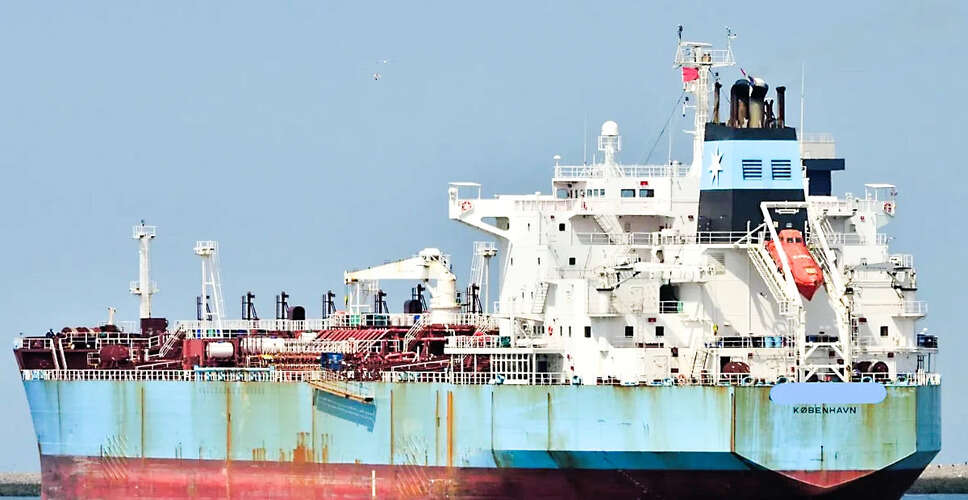
India's Commitment to Oil Supply Amid Global Tensions
On Saturday, the Indian government reaffirmed its commitment to purchasing crude oil from the most competitive sources, despite ongoing tensions in the Hormuz Strait due to the Iran-U.S.-Israel conflict. A government statement emphasized that India's energy supply remains secure, even amidst disruptions. The government noted that, despite rising tensions along the Hormuz route, the stability of India's energy supply is intact. India has expanded its crude oil sourcing from 27 to 40 countries, ensuring multiple alternative supply routes. In the interest of national priorities, India procures oil from regions offering the most competitive and affordable rates.
Continued Imports of Russian Oil
Additionally, India confirmed on Saturday that it will continue importing Russian oil, citing a temporary exemption granted by the U.S. due to the ongoing conflict in the Middle East. The government clarified that New Delhi does not require permission from any country for such purchases. It was stated that India has never depended on any nation's approval for acquiring Russian oil. The country plans to maintain its imports of Russian oil until February 2026, with Russia remaining India's largest supplier of crude oil. Throughout the three years of the Russia-Ukraine conflict, India has persisted in purchasing Russian oil despite objections from the U.S. and the European Union, leading to a significant increase in imports post-2022 due to discounted prices and refinery demand.
India's Oil Reserves and Refining Capacity
According to the central government, India holds over 250 million barrels of crude oil and petroleum products in reserve, which is equivalent to 7 to 8 weeks of consumption. The country's total refining capacity stands at 250 million metric tons per year, surpassing current domestic demand. Military actions by the U.S. and Israel against Iran, along with Tehran's retaliatory strikes in Gulf nations, have disrupted global energy flows and maritime routes, resulting in a significant spike in oil prices.
Temporary Easing of Sanctions
On Thursday, the United States temporarily eased sanctions on Russia to allow the sale of Russian oil loaded on ships at sea to India. The Indian government remarked that labeling this short-term exemption as 'enabling' overlooks the fact that trade has continued uninterrupted. As a net exporter of refined products to the world, this position enhances rather than undermines India's energy security.