
India Considers LPG Rationing Amid West Asia Conflict Disruptions
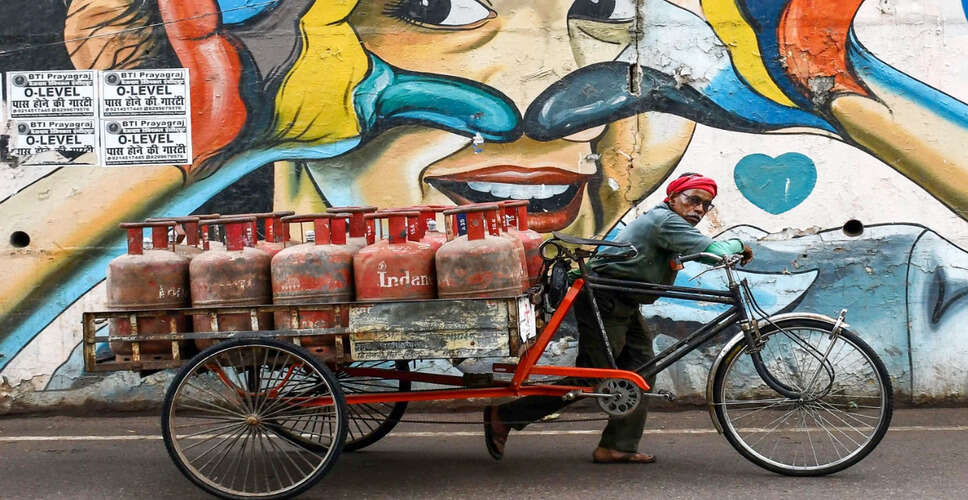
Potential LPG Rationing in India
Due to ongoing conflicts in West Asia, disruptions around the Hormuz Strait are beginning to affect domestic LPG supplies in India. In response, the country's state-owned oil marketing companies are contemplating a rationing strategy for domestic LPG distribution. According to a report from a financial publication, the proposal suggests filling standard 14.2 kg cylinders with approximately 10 kg of LPG to maximize the reach of the current supply during this crisis.
Industry Insights on LPG Supply
An industry official cited in the report indicated that the aim of this proposal is to conserve available fuel while ensuring that households continue to receive their fuel supply. This discussion arises amid heightened tensions related to Iran, which have significantly slowed cargo shipments through this vital energy corridor, impacting the LPG shipments destined for India. The country relies on imports for about 60% of its LPG needs, and recent supply data indicates a substantial decline in incoming shipments.
Current Shipping Situation
Currently, there are no reports of new cargo vessels heading towards Indian ports, with only a limited number of ships managing to cross the Strait last week. This has resulted in an estimated LPG volume that barely meets the national demand for a single day. Several LPG carriers bound for India are awaiting clearance in the Persian Gulf. Typically, a 14.2 kg cylinder lasts an average household about 35 to 40 days. Officials have suggested that a 10 kg refill could last nearly a month, aiding in the more equitable distribution of limited supplies during the crisis.
Implementation of Rationing Measures
If this rationing measure is put into effect, modified labels will be affixed to the cylinders to indicate the reduced quantity, and prices will be adjusted accordingly. However, companies will need to alter their bottling processes and may require regulatory approval before implementing the plan. The pressure on supply has increased as commercial users resume partial LPG allocations, further depleting stocks. Meanwhile, officials from the Ministry of Petroleum and Natural Gas have acknowledged the concerns, describing the situation as 'worrisome,' but have also stated that domestic availability remains stable for now. Industry leaders have warned that if the crisis persists, the supply situation could become even more challenging in the coming weeks.