
India and Venezuela Forge Strategic Energy Alliance Amid Global Tensions

New Delhi's Role in Global Oil Politics
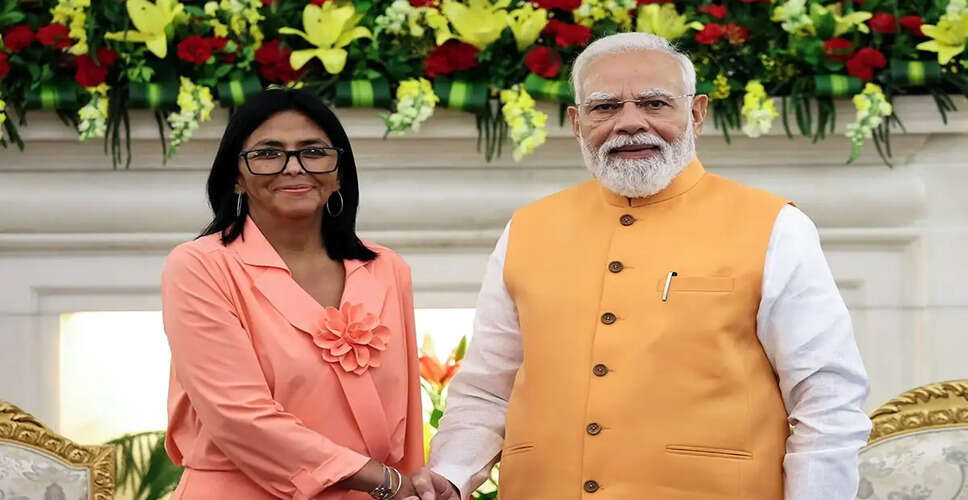
Currently, New Delhi is emerging as a significant player in global oil politics. A high-level meeting between Prime Minister Narendra Modi and Venezuela's acting President Delcy Rodriguez has made it clear that India is establishing a new axis for its energy security and strategic interests. Rodriguez arrived in India with a large delegation of senior ministers from various sectors, including foreign affairs, economy, science, technology, transportation, and information. This visit marks the announcement of a burgeoning strategic alliance between India and Venezuela, which could alter the global power balance in the coming years.
Key Discussions on Energy and Economic Partnership
During their discussions, Modi and Rodriguez delved into topics such as energy security, trade, investment, health, transportation, mineral wealth, and long-term economic partnerships. The significance of the meeting was underscored by its extension into a formal working dinner. Rudrendra Tandon, Secretary of the Ministry of External Affairs, emphasized that Venezuela views India as its preferred partner in the energy sector, with both nations ready to enhance cooperation across all levels, from oil production to refining.
Strengthening Ties Amid Global Supply Challenges
This partnership is gaining strength at a time when tensions between the U.S., Israel, and Iran in West Asia have shaken global oil supplies. The crisis in the Strait of Hormuz poses a serious threat to India's energy security, as over 40% of its crude oil supply passes through this route. Consequently, India has turned its focus towards Venezuela. In May, India imported 427,000 barrels of Venezuelan oil daily, making it the country's third-largest oil supplier. This figure is not merely a trade statistic but a reflection of India's evolving strategic mindset.
Shifting Energy Policies and Independence
Previously, U.S. sanctions had led India to nearly halt oil purchases from Venezuela. However, New Delhi has now made it clear that it will not align its energy policy with Washington's conditions. Despite the U.S. detaining Nicolás Maduro and the political turmoil in Venezuela, India has chosen to strengthen its ties rather than distance itself. This move is a powerful demonstration of India's independent foreign policy.
Venezuela's Rich Resources Beyond Oil
For India, Venezuela represents more than just an oil source. The country is rich in gold, diamonds, nickel, bauxite, and rare minerals. Discussions also included mining cooperation and joint assessments of potential reserves. This indicates India's intent to strengthen its control over resources essential for future defense technologies, green energy, electronics, and manufacturing capabilities. This step is seen as crucial in countering China's growing influence.
Cultural Connections and Symbolic Visits
An intriguing and symbolic aspect of Rodriguez's visit is her planned trip to the Sathya Sai Baba Ashram in Andhra Pradesh after meeting Modi. Both Rodriguez and former Venezuelan President Nicolás Maduro have long been followers of Sathya Sai Baba. Rodriguez has visited the ashram twice before and has expressed that she feels the blessings of Sai Baba during times of crisis for her family and country. Maduro has also referred to Sai Baba as a beacon of love, service, and truth.
India's Soft Power and Cultural Influence
This connection is not just a tale of spiritual ties but also showcases the global impact of India's cultural strength. While Western media often views Venezuela solely through the lens of political crises and oil conflicts, the deep-rooted presence of Indian spiritual traditions in Venezuela exemplifies India's soft power. It is reported that a large portrait of Sathya Sai Baba is displayed alongside images of Simón Bolívar and Hugo Chávez in the presidential palace in Caracas, with approximately 200,000 people in Venezuela associated with the Sathya Sai movement.
Strengthening Global South Alliances
The discussions also touched upon BRICS, with Venezuela openly praising Modi's leadership. This indicates India's strengthening role among Global South nations. Through this multifaceted alliance encompassing energy, minerals, trade, and diplomacy, India is preparing for a new world order where the dominance of Western powers appears to be waning. Rodriguez also met with Foreign Minister S. Jaishankar and is expected to visit Mumbai and Delhi for business-related discussions, with both countries focusing on strengthening ties beyond the oil sector.
India's Ascendancy in Global Power Dynamics
Ultimately, New Delhi has sent a clear message to the world that it is moving towards becoming a decisive center in the global power balance. This partnership with Venezuela could significantly enhance India's energy security, industrial strength, and geopolitical influence in the future.