
India and US Trade Agreement Talks Reach Crucial Stage
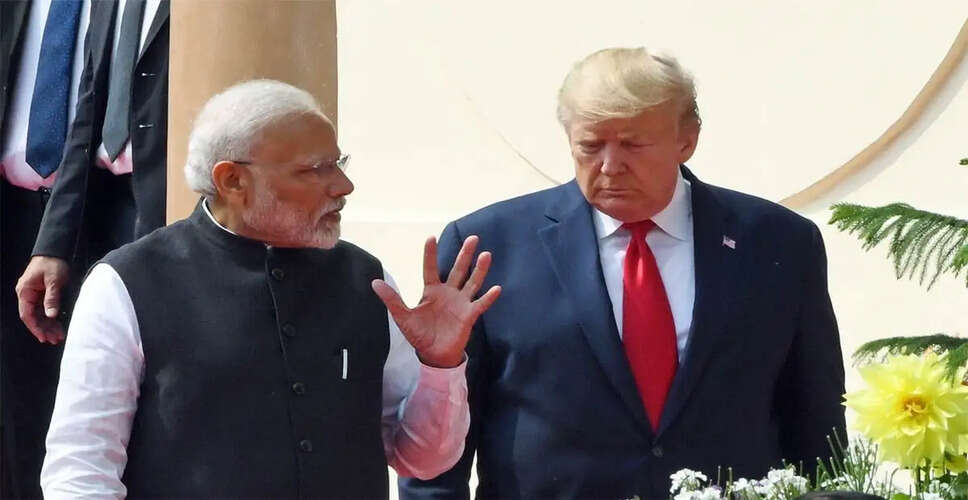

Significant Progress in India-US Trade Negotiations
Discussions regarding the proposed bilateral trade agreement between India and the United States have entered a decisive phase. Following high-level talks in Washington, both nations have indicated that consensus has been reached on most issues, with only a few complex topics remaining to be resolved. This agreement is anticipated to reshape the economic ties between India and the US. However, US Trade Representative Jamison Greer described India as a challenging partner, noting that the Indian agricultural sector has long been protected, which complicates negotiations. He mentioned before a committee in the US Congress that India is cautious about opening its agricultural markets, although there are signs of potential agreement in certain areas, particularly concerning products used in animal feed, such as DDGS.
Details of the Ongoing Negotiations
The Indian delegation was led by Darpan Jain, Additional Secretary of the Commerce Department, while the US side was headed by Brendan Lynch. Over three days, the meeting focused on the intricate details of the agreement. It is worth recalling that both countries released a draft of the agreement in February this year, emphasizing mutual benefits and trade expansion. India seeks preferential access to the US market under this agreement, with a goal of reaching bilateral trade of $500 billion by 2030. A key issue in this direction is the reduction of tariffs. The US had previously agreed to lower high tariffs on Indian products, which could facilitate trade.
Impact of US Policy Changes
Meanwhile, changes in US policies have also influenced this agreement. The US Supreme Court recently deemed the reciprocal tariffs imposed by President Donald Trump unconstitutional. Consequently, India is now attempting to amend the agreement in line with the new global tariff framework to safeguard its interests. Additionally, a significant development has emerged alongside the trade talks. The US has initiated the process of refunding tariffs that were previously imposed under emergency laws. The CBP has launched a new online platform for companies to file their claims. It is estimated that $10 to $12 billion of the total refund amount is related to Indian goods, primarily in textiles, engineering products, and chemicals, which faced heavy tariffs last year. However, it is important to note that Indian companies will not directly benefit from these refunds, as only US importers can file claims. Therefore, Indian exporters will need to negotiate with their American partners to share the benefits.
Strategic Negotiation Opportunities for Indian Companies
Experts believe that if Indian companies negotiate strategically, they could turn this situation to their advantage. They can achieve benefits through price adjustments, new trade agreements, and future orders. This would not only enhance their profits but also strengthen their position in global competition.
Controversial Remarks Affecting India-US Relations
Additionally, a separate controversial statement has also impacted discussions on India-US relations. President Trump has used offensive terms for India and several other countries, which has drawn significant criticism. Nevertheless, trade talks between the two nations appear to be progressing positively. US officials have described the discussions as constructive, while India's Commerce Minister Piyush Goyal has stated that the first phase of the agreement is nearly complete.
Potential Global Trade Impact
Analysts suggest that if this agreement is successfully finalized, it could signify a major shift in the global trade landscape. The partnership between the world's largest economy and a rapidly emerging economy is expected to not only boost trade but also strengthen strategic cooperation.
Balancing Interests in the Agreement
However, India must protect its sensitive sectors while also increasing its share in the global market. In the coming days, it will become clear how both countries will balance their interests to finalize this historic agreement.