
India Advocates for Peace Amid Escalating West Asia Conflict
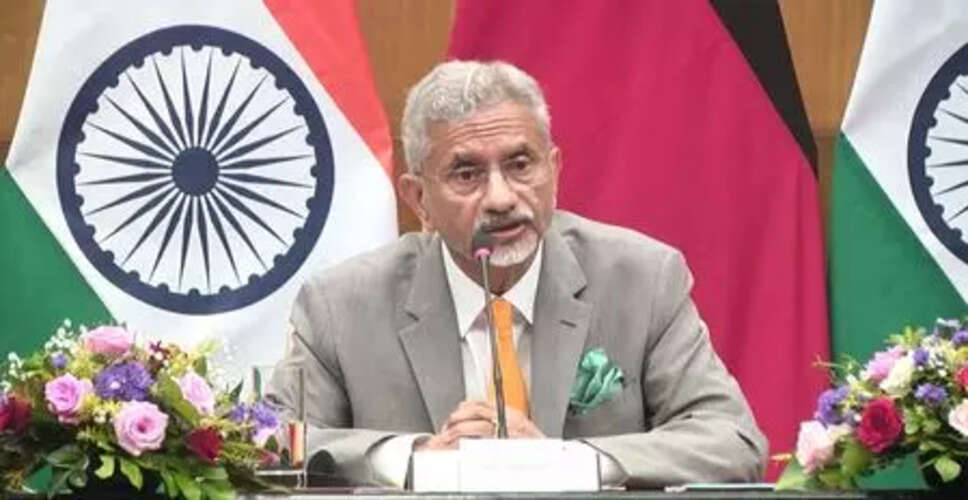
India's Stance on West Asia Conflict
New Delhi, Mar 9: On Monday, External Affairs Minister S. Jaishankar emphasized India's commitment to peace and the importance of dialogue and diplomacy in light of the escalating conflict in West Asia. He called for de-escalation, restraint, and the protection of civilian lives.
During a suo moto statement in the Rajya Sabha, he highlighted that ensuring the safety and security of the Indian community in the region is a top priority for the government.
"We will persist in collaborating with regional governments to achieve this goal. Our national interests, particularly in energy security and trade, will always take precedence," he stated.
Addressing the rise in energy prices due to the conflict triggered by US and Israeli strikes on Iran, followed by Tehran's retaliatory actions against US bases and Israel, Jaishankar assured that the Indian government is dedicated to maintaining energy security while considering availability, costs, and market risks.
"The interests of Indian consumers will always be our primary concern. When necessary, Indian diplomacy has supported our energy enterprises in navigating this volatile environment," he added.
In related developments, oil prices surged to nearly $120 per barrel before slightly retreating on Monday as the conflict in Iran escalated, impacting production and shipping in the Middle East and causing turmoil in financial markets.
The price of Brent crude, the global benchmark, initially rose to $119.50 per barrel but later settled at $112.98.
As the conflict enters its second week, oil prices have surged due to the involvement of nations critical to oil and gas production and transportation from the Persian Gulf.
Approximately 15 million barrels of crude oil, accounting for about 20% of global oil supply, are typically transported daily through the Strait of Hormuz, according to Rystad Energy.
The threat of Iranian missile and drone strikes has significantly hindered tanker movements through the strait, which is flanked by Iran to the north and is a vital route for oil and gas from Saudi Arabia, Kuwait, Iraq, Qatar, Bahrain, the UAE, and Iran.
The rising costs of oil and natural gas are driving up fuel prices, affecting various industries and putting pressure on Asian economies that heavily depend on imports from the Middle East.