
India Advances in Semiconductor Training Initiative
Significant Progress in Semiconductor Engineer Training
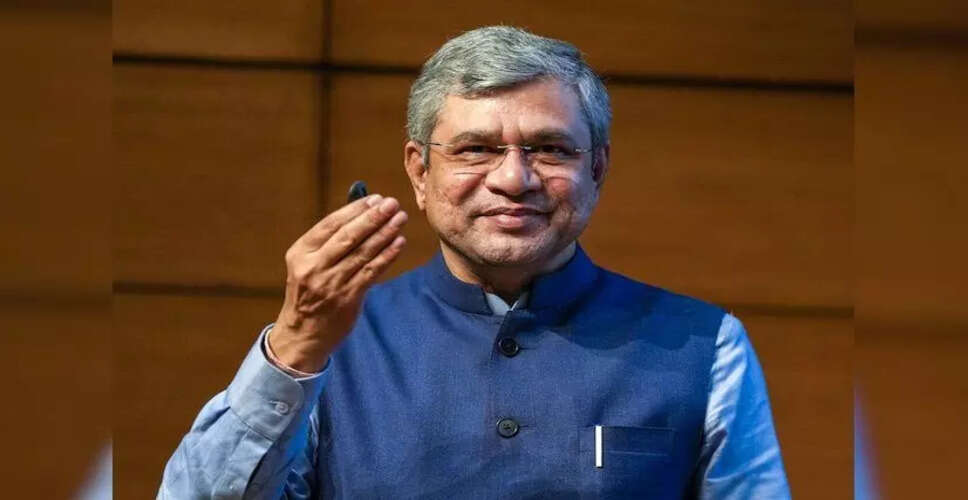
New Delhi, March 7: India is making significant strides towards its goal of training 85,000 semiconductor design engineers through the Chips to Startups (C2S) initiative, as stated by Union Minister Ashwini Vaishnaw on Saturday.
The minister emphasized the government's commitment to enhancing talent development within the semiconductor industry.
This initiative is part of the broader India Semiconductor Mission (ISM), which aims to focus on training, upskilling, and workforce development to create a strong talent pipeline for the nation's burgeoning chip ecosystem. Vaishnaw noted that substantial progress has been achieved in the initial four years of the decade-long C2S initiative.
He mentioned that world-class Electronic Design Automation (EDA) tools from leading global tech firms like Synopsys, Cadence Design Systems, Siemens, Renesas Electronics, Ansys, and AMD are now accessible in 315 academic institutions across India.
These tools provide students with practical experience in semiconductor chip design.
The chips designed by students are being fabricated and tested at the Semiconductor Laboratory (SCL) in Mohali, allowing them to gain hands-on experience throughout the entire process, from design to fabrication, packaging, and testing.
Vaishnaw highlighted that this initiative has evolved into the largest open-access EDA program globally, with over 1.85 crore hours of EDA tool usage recorded for chip design training.
Students from various institutions nationwide, spanning from Assam to Gujarat and Jammu and Kashmir to Tamil Nadu, are actively engaged in semiconductor design projects.
Addressing global industry trends, Vaishnaw pointed out that the semiconductor market is projected to expand from its current valuation of $800–900 billion to nearly $2 trillion, which will create a demand for approximately two million skilled professionals worldwide, thus presenting significant employment opportunities for India's youth.
He also revealed that under the 'India Semiconductor Mission 2.0', the program will extend from 315 to 500 academic institutions, further enhancing the talent pipeline in semiconductor design, fabrication, packaging, and testing across all states.