
Impending Deadline for US-Iran Ceasefire: Negotiations in Limbo

Ceasefire on the Brink
The tenuous ceasefire between Iran and the United States is set to expire on Wednesday, with no long-term agreement reached yet. Reports indicate that Iran has received fresh proposals from the US, and Pakistani mediators are facilitating another round of direct talks. However, uncertainty looms over the possibility of a breakthrough before the deadline, as critical issues remain unresolved, particularly concerning the Strait of Hormuz. Iran's chief negotiator, Parliament Speaker Mohammad Bagher Ghalibaf, acknowledged some progress in discussions with the US but noted significant gaps persist regarding nuclear matters and the Strait of Hormuz. He stated, "We have made progress, but a considerable distance still exists between us. There are certain issues we are firm on, and they have their own red lines. However, these could be limited to just one or two points."
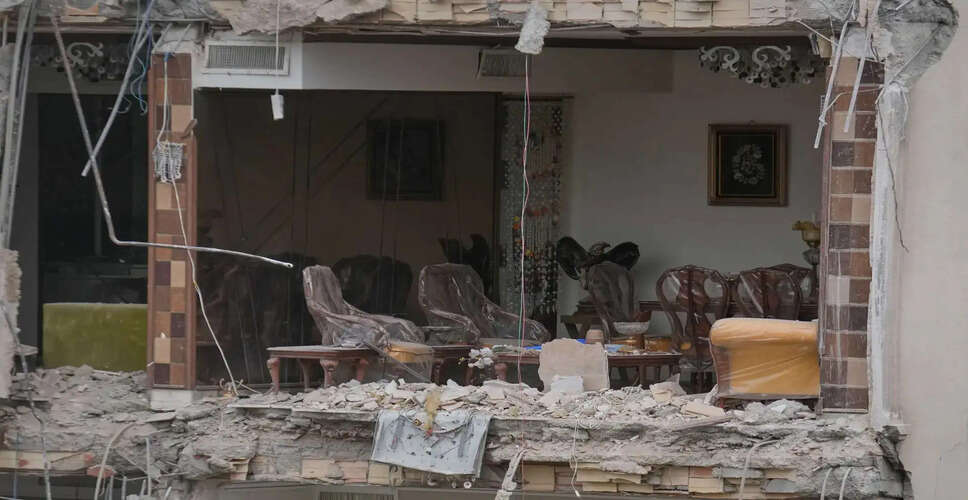
Meanwhile, US President Donald Trump mentioned having had "very good conversations" with Tehran, while cautioning against any attempts at "blackmail" concerning the vital shipping route. Neither party provided detailed updates on the negotiations or the situation in the Strait of Hormuz as tensions escalate. This narrow passageway, crucial for global oil transport, has once again become a focal point in the ongoing crisis, particularly after Iran's recent closure of the strait. For Iran, this closure—enforced following the US and Israel's military actions on February 28 during discussions about Tehran's nuclear program—serves as a potent leverage point, threatening the global economy and exerting political pressure on President Trump. Conversely, the US blockade aims to maintain pressure on Iran, which is already grappling with economic challenges.
Just a day after announcing the reopening of this critical waterway, Iran closed the Strait of Hormuz again in response to the US naval blockade. The Iranian Revolutionary Guard Navy declared that the strait would remain closed until the blockade is lifted, warning that any vessel attempting to move from its anchorage in the Persian Gulf or the Sea of Oman would be viewed as cooperating with the enemy and could be targeted.
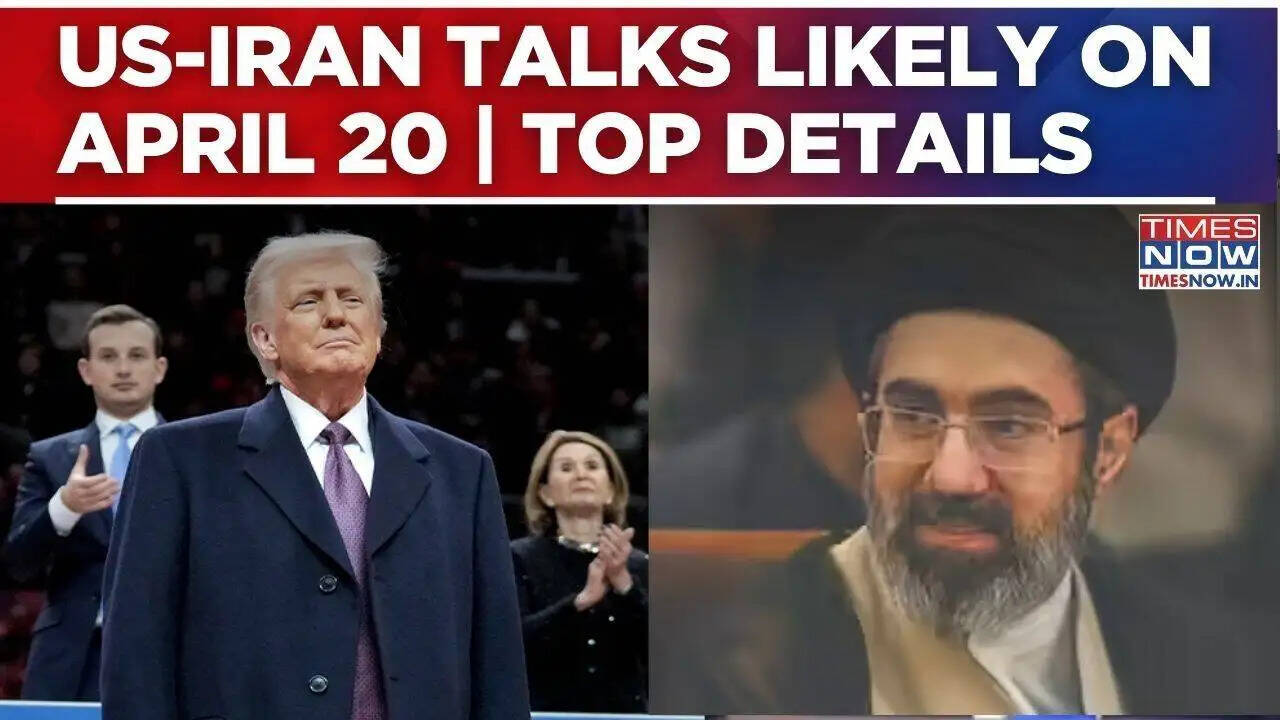
In a show of defiance, Iran's new supreme leader, Ayatollah Mojtaba Khamenei, stated on Saturday that the navy is prepared to deliver severe defeats to its adversaries. He has remained out of the public eye since his ascension to leadership following his father's death during Israel's initial strikes.