
Impact of US and China Visa Policies on Global Talent Movement
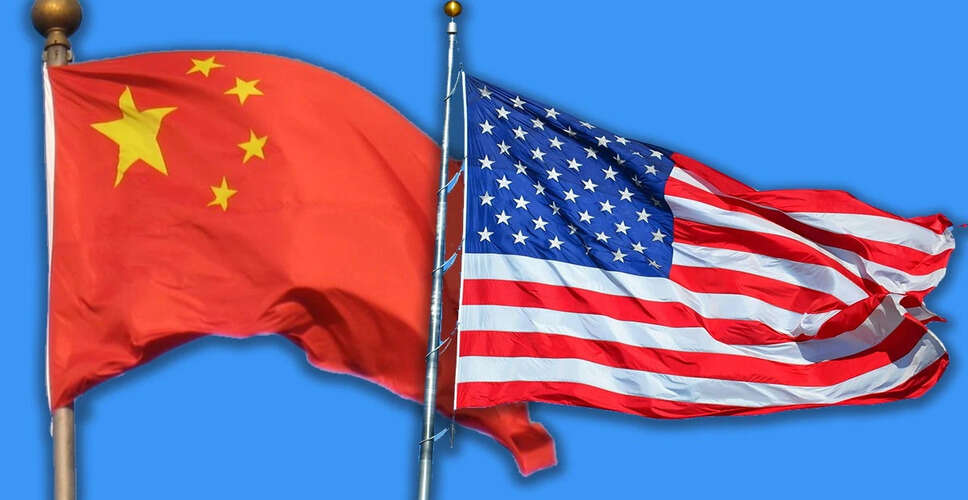
Shifts in Visa Policies by Major Powers
Recent visa policy changes by the United States and China have stirred the global talent market, particularly affecting India. The US Embassy has issued a stringent global alert for H-1B and H-4 visa applicants, while the Chinese Embassy in India has launched an online visa application system for Indian passport holders. Although these decisions seem to diverge, they both center around security assurance and the movement of global talent.
New Scrutiny for US Visa Applicants
Under the worldwide alert from the US Embassy, all H-1B and H-4 visa applicants will now undergo extensive scrutiny of their social media and online presence. This regulation is effective immediately and applies equally to applicants from all countries. The US State Department clarified that this measure aims to prevent alleged abuses of the H-1B program and maintain its credibility, ensuring that American companies can attract top foreign talent.
Increased Background Checks
Consular officers will now review applicants' social media profiles, public digital activities, and other online identities to verify their backgrounds, intentions, and professional claims. While the embassy continues to accept visa applications, the additional scrutiny may prolong the process, prompting applicants to apply well in advance.
Concerns in the Tech Sector
This stringent approach is already impacting the American tech industry. Reports indicate that major companies like Apple, Google, and Microsoft have advised their employees working on visas not to travel outside the US for the time being, fearing delays or complications upon re-entry. This situation has understandably caused anxiety among thousands of Indian professionals whose careers and family lives depend on these visas.
China's New Online Visa Application System
Conversely, on the other side of Asia, China has taken a different approach. The Chinese Embassy in New Delhi has introduced an online visa application system for Indian citizens. Now, Indian nationals can apply for tourist, business, student, and work visas digitally. Previously, applicants faced multiple visits to the embassy and extensive paperwork, but now they can fill out forms, upload documents, and schedule biometric appointments online.
Streamlined Application Process
According to reports, this new system will reduce the number of visits to the embassy from two to one, solely for biometric purposes. Applicants will be able to track their application status in real-time and pay fees in Indian currency, alleviating the burden of additional charges associated with foreign currency. This service became operational on December 22.
Easing Tensions Between India and China
This initiative comes at a time when efforts are underway to gradually normalize relations between India and China. Following a reduction in tensions along the Line of Actual Control in Eastern Ladakh, both nations have made several practical decisions, including the resumption of the Kailash Mansarovar pilgrimage, direct flights, and agreements on visa facilitation, marking 75 years of diplomatic relations. India has also expedited the business visa process for Chinese professionals, although security checks remain stringent.
A Complex Global Landscape
When viewed together, these developments paint an intriguing picture of global politics. While the US prioritizes security and surveillance, delving deeply into digital lives, China seeks to rebuild trust through administrative ease and convenience. The question is not about who is right but how to balance talent and trust in a changing world. The US's concerns are not unfounded; social media has become a reflection of individuals' thoughts, relationships, and activities. However, excessive scrutiny can also breed fear and uncertainty. For Indian IT professionals, the H-1B visa represents not just a job but a life plan, and the perception of every post and like being viewed with suspicion can stifle creativity and open expression.
Competition Beyond Borders
On the other hand, China's digital visa initiative indicates that competition extends beyond borders to attracting talent. Simplified processes enhance investment, trade, and interpersonal connections. While there are still many complexities in India-China relations, small practical steps can gradually reduce significant distrust. Ultimately, this era is not just about visas but about trust. The country that can balance convenience, security, and respect will emerge as the true center of global talent in the future.