
Impact of Political Tensions on Pakistani Entertainment in India
Political Strains Affecting Entertainment Exchange
For an extended period, the strained relations between India and Pakistan have hindered the cultural exchange in entertainment. However, the recent fallout from Pahalgam has led to unprecedented restrictions.
The latest series of bans has targeted Pakistani content on platforms like YouTube, restricted access to cross-border dramas on streaming services such as Netflix and Amazon Prime, and even resulted in the temporary suspension of Instagram accounts belonging to Pakistani actors and peace advocates.
Popularity of Pakistani Dramas
This crackdown coincides with a surge in the popularity of Pakistani dramas in India, particularly on digital and social media platforms. These shows have not only garnered large followings but also tackle radical themes that, as noted by Indian journalist Raksha Kumar, are often absent from Indian television due to various constraints.
Notable Productions and Themes
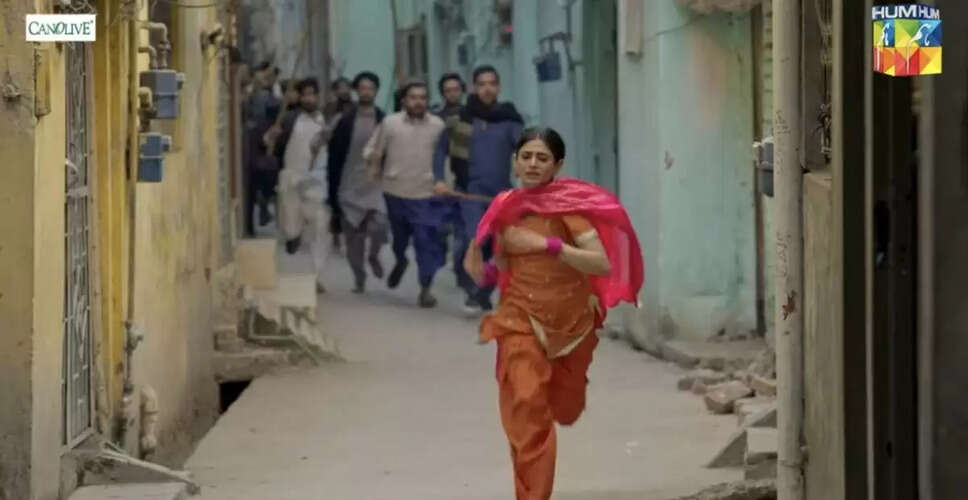
A notable example is a mini-series aired last August on Hum TV, created by the esteemed producer Sultana Siddiqui. Each episode presents a unique story, unified by the theme of how far-right extremists impact individuals and communities, highlighting the state's failure to provide justice or security.
The concluding episode of Tan Man Neelo Neel resonated deeply with viewers in both nations, depicting the tragic fate of young characters who fell victim to mob violence.
Reflections on Mob Violence
The series pays tribute to real victims of mob violence, such as Mashal Khan, a university student killed in 2017, and brothers Mughees and Muneeb Butt, who lost their lives in 2010. The narrative reflects a broader societal issue, resonating with many who have faced persecution under the guise of religion.
Sultana Siddiqui's Vision
Since founding Hum TV in 2005, Siddiqui has aimed to present a progressive narrative of Pakistani society through well-developed characters. This is not the first time her work has transcended borders; her 2012 series Zindagi Gulzar Hai was a significant hit in India, showcasing a different perspective of Pakistan.
The lead actor, Fawad Khan, became a sensation in Bollywood but faced a ban in India following the 2016 Uri attack, which also affected the release of his films.
Creating Relevant Content
Siddiqui's motivation for launching Hum TV stemmed from a desire to produce content that resonates with Pakistani audiences. Despite initial skepticism about competing with Indian channels, she believed in the potential for local narratives to thrive.
She sought to challenge the dominance of sensationalist Indian dramas, which often portray unrealistic scenarios.
Challenging Social Norms
Hum TV has produced several series that confront social issues, such as Udaari, which addresses child sexual abuse, and Dar Si Jaati Hai Silah, focusing on domestic violence. Siddiqui recalls facing backlash for Udaari, which was deemed 'immoral' by regulators.
Despite the challenges, public support has been a source of strength for her, allowing her to continue advocating for socially relevant storytelling.
Navigating Regulatory Challenges
While Pakistani television enjoys more freedom than in the past, the industry still faces bureaucratic hurdles, especially in film. Siddiqui's recent work, including the Tan Man series, was inspired by the tragic incidents of mob violence in Pakistan.
She hopes her work will raise awareness and contribute to meaningful change.
Cultural Exchange and Collaboration
Siddiqui has long advocated for cultural collaboration between India and Pakistan, participating in initiatives like Aman Ki Asha. However, she acknowledges the risks involved in cross-border partnerships, particularly when storylines are altered to fit different narratives.
The 2016 ban on Indian dramas in Pakistan, following India's restrictions on Pakistani artists, temporarily boosted local content but also highlighted the need for equitable cultural exchanges.
Conclusion
Siddiqui emphasizes the importance of professional integrity in collaborations, advocating for a balanced exchange of talent and ideas. As she reflects on her career, she hopes to leave behind a legacy of meaningful storytelling that resonates with audiences across borders.