
Impact of Middle East Conflict on Assam Tea Exports
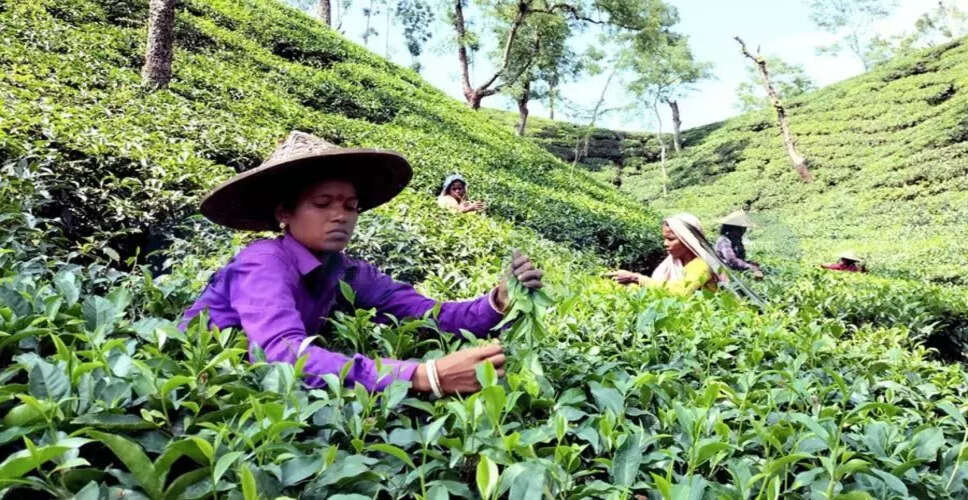
Concerns Over Assam Tea Exports Amid Middle East Tensions
Guwahati, March 2: The tea sector is closely monitoring the developments in Iran and the broader Middle East, as prolonged conflict could adversely affect exports to this region, which is a major consumer of Assam orthodox tea. The closure of airspace and suspension of internet services have disrupted communication among traders.
Leading exporter Mohit Agarwal expressed concerns, stating, “The ongoing war in the Middle East is likely to impact tea exports from India. Approximately 50% of Assam's orthodox tea production is consumed by Iran. We anticipated that the recent increase in subsidy to Rs 15 per kg from the Assam Government would enhance production and enable us to export larger quantities to the Middle East, particularly Iraq and Iran. We sincerely hope for a swift resolution to the conflict.”
Iran plays a vital role as a trading partner for India, especially concerning agricultural and FMCG exports. However, the fragile payment systems due to sanctions, coupled with uncertainties from the war, are leading to shipment delays, payment risks, and potential contract cancellations. If the situation does not stabilize, it could lead to a surplus in tea supply, affecting prices in India.
Dinesh Bihani, secretary of the Guwahati Auction Centre buyers’ association, noted, “A decline in tea demand from Iran and West Asia could lower prices for premium orthodox varieties, particularly if alternative buyers do not absorb the excess supply.”
In 2025, tea exports from India reached a record high of 280 million kg, with strong demand from Middle Eastern countries.
From January to September last year, India exported approximately 254.19 million kgs of tea, with Iraq importing around 48.88 million kgs, Iran about 10.69 million kgs, and the UAE approximately 45.66 million kgs. Exporters indicate that a significant portion of tea exports to Iran is routed through Dubai.
Anshuman Kanoria, chairman of the India Tea Exporters Association, remarked that it is too early to draw conclusions. “We are concerned, but we need to observe how the situation unfolds,” he stated.