
Impact of Iran-Israel Conflict on Crude Oil Prices and India's Supply
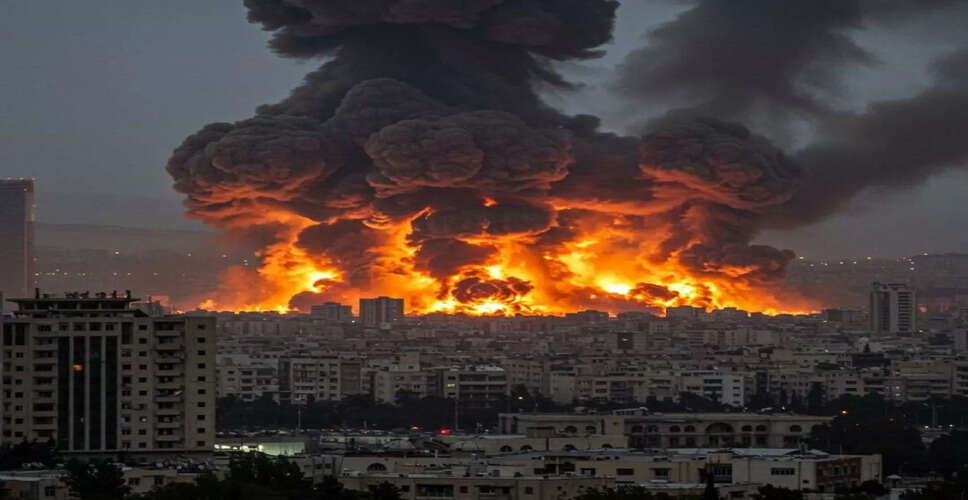
Crude Oil Prices Surge Amidst Geopolitical Tensions
Guwahati, June 24: The recent escalation of conflict between Iran and Israel, coupled with U.S. airstrikes on Iranian sites, has led to a rise in crude oil prices. In a significant move, Iran has announced its intention to block the Strait of Hormuz, a crucial maritime route for oil shipments.
Union Minister for Ports, Shipping, and Waterways, Sarbananda Sonowal, reassured that crude oil supplies to India would continue uninterrupted, although he acknowledged a potential slight increase in prices.
The Strait of Hormuz serves as a vital link between the Persian Gulf and the Gulf of Oman, which ultimately connects to the Arabian Sea. Major oil-producing nations like Iran, Saudi Arabia, and the UAE rely heavily on this strait for their maritime access.
In an interview, Sonowal emphasized that the Eastern Economic Corridor, which links Vladivostok to Chennai, is fully operational. With India sourcing a significant portion of its crude from Russia, he expressed confidence in maintaining adequate oil supplies. The corridor facilitates the transport of goods from Russia to India in approximately 26 days.
Additionally, Sonowal noted that India imports crude oil from the United States, which remains unaffected by the current situation. He explained that oil from the U.S. can be transported via the Pacific, Atlantic, and Indian Oceans, although this route takes about 45 days.
India also imports crude from the UAE and Saudi Arabia, and alternative arrangements can be made to bypass the Strait of Hormuz. He mentioned that oil and other products could be transported overland to Dubai port and subsequently shipped to Indian ports. The geographical advantages of the Indian Ocean, Arabian Sea, and Bay of Bengal provide India with multiple shipping options, albeit at a potentially higher cost. However, he assured that India's global trade would remain stable.
Despite the ongoing challenges, the Minister expressed optimism that global trade would not suffer significantly. He stated that India would pursue all necessary diplomatic avenues to safeguard its trade interests, while other nations would likely take similar steps to ensure the continuity of trade.