
Impact of Iran Conflict on Global Oil Market: Jet Fuel and Diesel Prices Surge
Global Oil Market Disruption Due to Iran Conflict
New Delhi, March 17: The ongoing conflict in Iran is causing significant disruptions in the global oil market, particularly affecting products like jet fuel and diesel more than crude oil itself, as highlighted in a report by Goldman Sachs Group.
According to analysts Yulia Zhestkova Grigsby and Daan Struyven, refined product prices have seen a sharper increase compared to crude oil. They noted that the disruption in the supply of medium-heavy crude could lead to reduced production of diesel, jet fuel, and fuel oil.
The turmoil in global energy markets has escalated due to the US-Israeli military actions against Iran, which began on February 28 and has now extended into its third week. This conflict has resulted in a suspension of oil and product exports through the Strait of Hormuz and has led to attacks on energy infrastructure throughout the region, compelling crude producers to cut back on output and halt certain refinery operations.
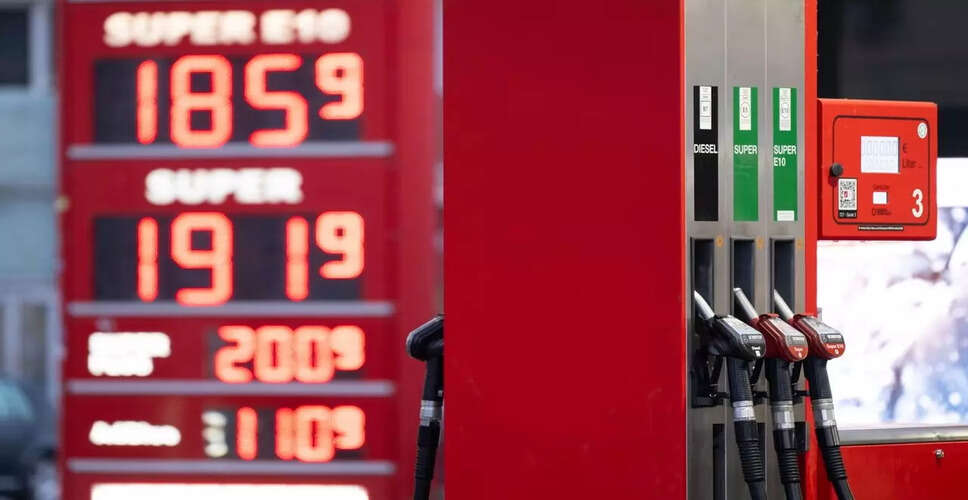
While crude oil prices have surged over 40% since the onset of the conflict, with Brent crude surpassing $100 per barrel, the prices of petroleum products like jet fuel and diesel have increased even more dramatically. In some Asian countries, fuel prices have reportedly doubled, prompting nations such as China, Thailand, and South Korea to impose export restrictions to safeguard their domestic markets.
Goldman analysts emphasized that no region or product is entirely shielded from these impacts. The conflict is hampering the ability of Persian Gulf producers to export refined products, leading to refinery shutdowns and a reduction in the flow of crude types best suited for producing fuels like diesel.
They pointed out that nearly 60% of typical crude exports from the Persian Gulf consist of medium and heavy crude, which is primarily used for jet fuel, diesel, and fuel oil, with few alternative sources available outside the Middle East.
The report also indicated that the global disruption caused by the conflict would impact 'naphtha', a refining byproduct essential for petrochemical production, as well as jet fuel. Asia imports about 50% of its naphtha from the Persian Gulf, while Europe relies on the region for 40% of its jet fuel supply.
--IANS