
Impact of AI on Colonoscopy Skills: New Study Raises Concerns
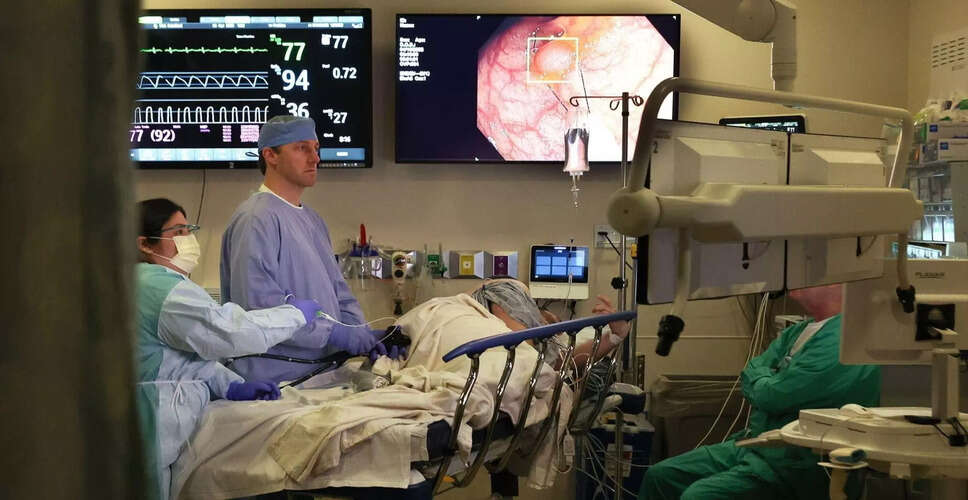
AI's Role in Colonoscopy and Its Implications
New Delhi, Aug 13: A recent study published in The Lancet Gastroenterology and Hepatology has highlighted a potential downside to the increasing use of Artificial Intelligence (AI) in medical procedures, particularly colonoscopies. The research indicates that physicians who frequently utilize AI during colonoscopies may experience a decline in their ability to identify precancerous lesions, known as adenomas, without AI support.
Colonoscopy, a procedure typically carried out by an endoscopist, is crucial for detecting and removing adenomas, which can help prevent bowel cancer.
While numerous studies have demonstrated that AI can enhance adenoma detection rates during colonoscopies, there remains a gap in understanding how the consistent use of AI might impact the skills of endoscopists. Some experts suggest that AI could either enhance training for clinicians or, conversely, diminish their skills.
Dr. Marcin Romańczyk from the Academy of Silesia in Poland stated, “This is the first study we are aware of that indicates a negative effect of regular AI usage on healthcare professionals' ability to perform essential medical tasks. Our findings are alarming, especially as AI adoption in healthcare accelerates.”
The research was conducted across four colonoscopy centers in Poland from September 2021 to March 2022, involving a total of 1,443 colonoscopies. Of these, 795 were performed prior to the regular use of AI, while 648 were conducted after AI was implemented. The procedures were carried out by 19 seasoned endoscopists, each having performed over 2,000 colonoscopies.
The adenoma detection rate in non-AI-assisted colonoscopies dropped significantly from 28.4% (226 out of 795) before AI exposure to 22.4% (145 out of 648) after AI exposure, reflecting a 20% relative and 6% absolute decrease in detection rates.
In contrast, AI-assisted colonoscopies achieved an adenoma detection rate of 25.3% (186 out of 734).
The research team acknowledged certain limitations, noting that the observational nature of the study means other factors could have influenced the results. Romańczyk emphasized the need for further investigation into how AI affects the skills of healthcare professionals across various medical disciplines.