
Identifying Pure Mustard Oil: Essential Tips for Consumers
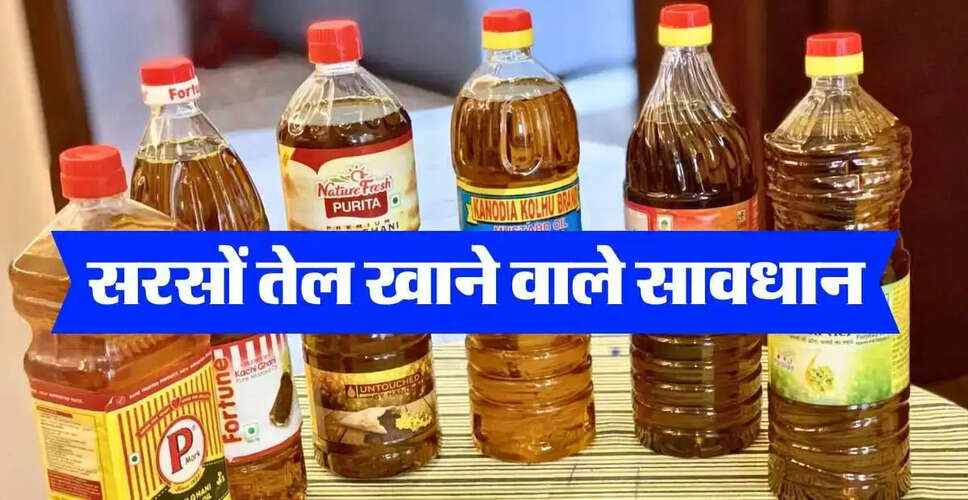

Understanding Mustard Oil Usage
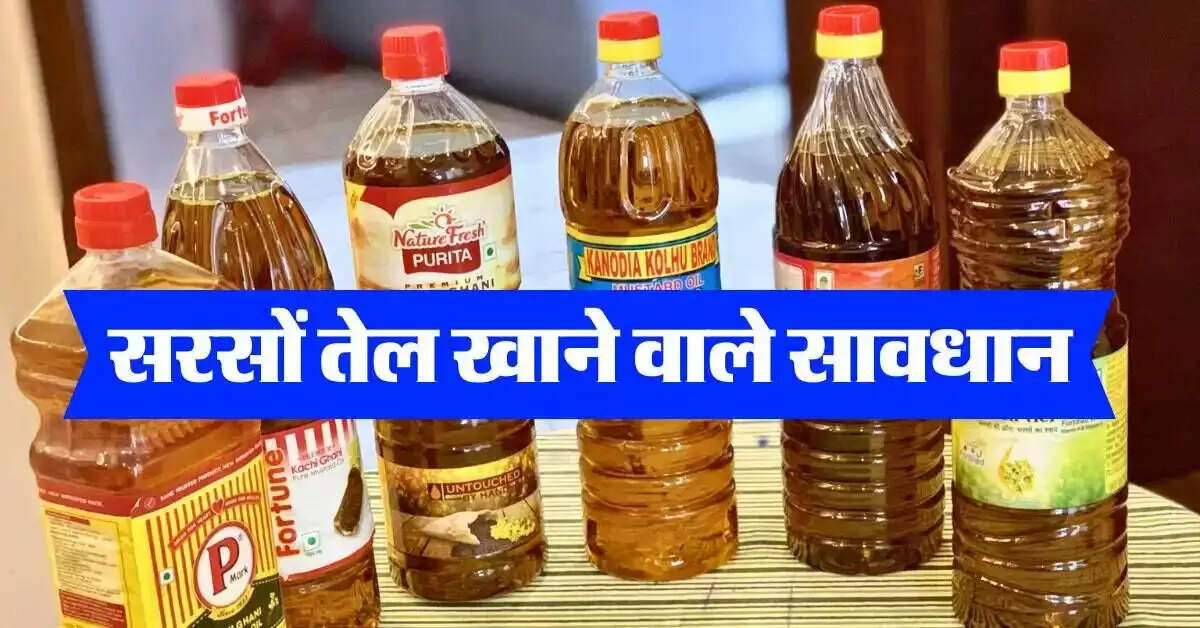
Mustard oil is a staple in many Indian kitchens, commonly used in various culinary preparations. While pure mustard oil offers numerous health benefits, adulterated or fake mustard oil can pose serious health risks. Nowadays, several companies are mixing inferior oils with mustard oil, leading to increased consumer concerns. In this article, we will explore effective methods to identify fake mustard oil.
How to Identify Fake Mustard Oil
Before using mustard oil, it's crucial to verify its purity. One simple method is to place the oil in a container and refrigerate it. If the oil contains palm oil, it will settle at the bottom, while pure mustard oil will float on top. This is a straightforward way to detect adulteration.
Testing with Skin
Another method involves applying a small amount of mustard oil to your hands and feet. If you notice any discoloration upon rubbing, it indicates that the oil is adulterated. Pure mustard oil should not leave any color or chemical smell; instead, it has a sharp aroma that can irritate the eyes when heated.
Using the Barometer Test
You can also utilize the barometer test to check the purity of mustard oil. If the oil is genuine, its barometer reading should range between 58 and 60. Readings above this range suggest that the oil is not pure. It's advisable to purchase mustard oil from reputable brands that provide a hallmark certification.
Nitric Acid Test
In addition to the above methods, you can use nitric acid to test mustard oil. Mixing a few drops of nitric acid with the oil will cause a color change if the oil is pure. Conversely, adulterated oil will show a different reaction. This test can be performed in a small bowl.
Color Indicators
You can also determine the authenticity of mustard oil by observing its color. Heating the oil in a pan can reveal its purity. If the smoke produced has a strong odor that irritates your eyes, the oil is likely genuine. Pure mustard oil typically has a golden to dark yellow hue and a shiny appearance, while fake oil lacks a strong scent.