
Human Rights Situation in Pakistan Deteriorates Significantly in 2025
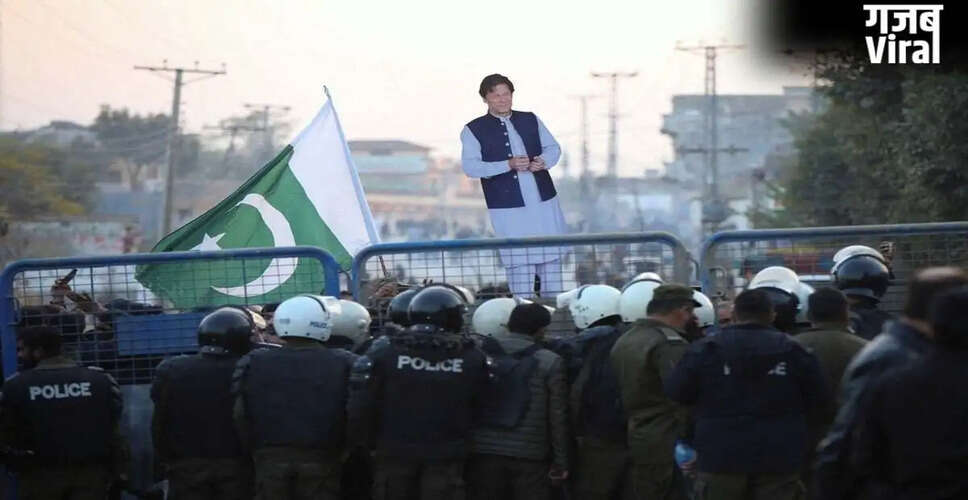

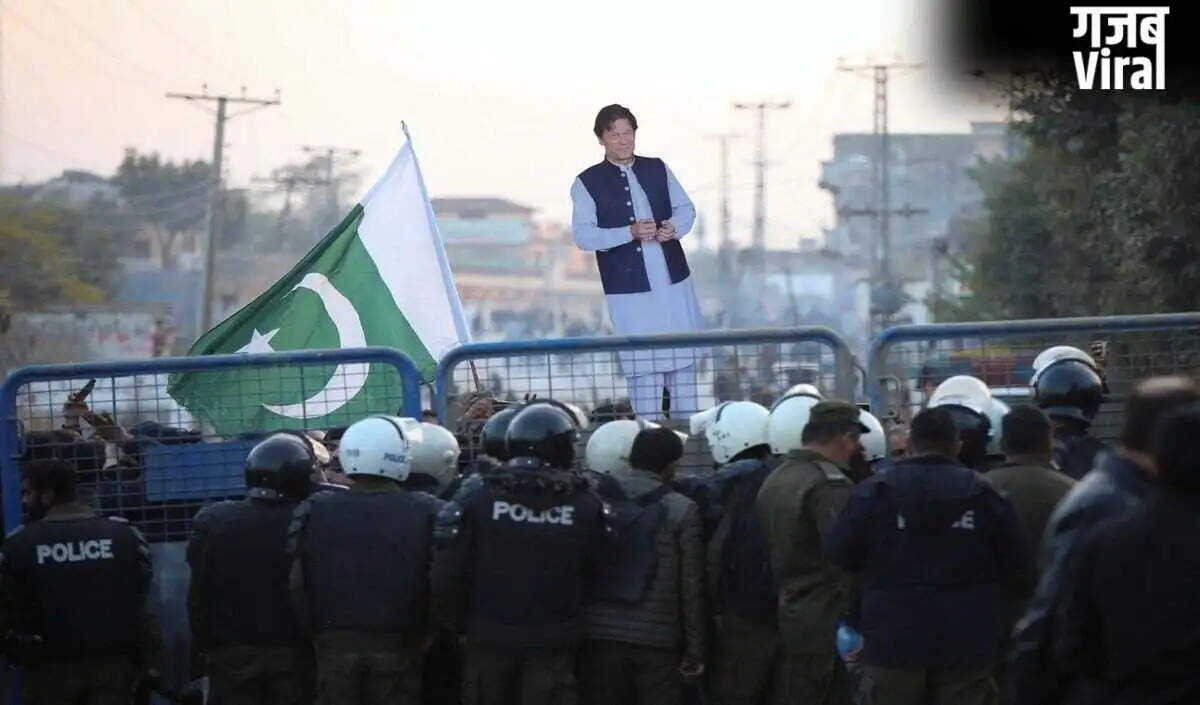
Decline in Human Rights in Pakistan
According to the latest annual report from the Pakistan Human Rights Commission, there has been a significant decline in the state of human rights in Pakistan in 2025. This decline is attributed to reduced civil liberties, increasing pressure on judicial independence, and a deteriorating security environment. The report titled 'State of Human Rights in 2025' presents a troubling account of institutional decay and rising authoritarian trends, as reported by a local media outlet.
The report highlights how stringent restrictions on dissent, the expanding powers of the state, and legal limitations on freedom of expression have collectively undermined democratic standards.
Senior leadership from the HRCP, including President Asad Iqbal Butt, former President Hina Jilani, Co-Chair Munizae Jahangir, Vice President Nasreen Azhar, and Secretary General Harris Khalik, were present at the launch event.
Addressing the media, Butt described the findings as extremely concerning, referring to the document as a 'report card' rather than a general assessment. He revealed that 273 individuals were forcibly disappeared during the year.
While 13 of these individuals were eventually located in state custody, many others remain unaccounted for, raising serious concerns about accountability and due process. He emphasized that suspects should be presented before courts instead of being held unlawfully.
Khalik stressed that the report compiles extensive evidence of constitutional violations and systemic abuses, all of which are documented and verifiable. The findings indicate a continuous pattern of rights violations, reflecting a significant decline in institutional security measures. A major concern highlighted in the report is the increasing restrictions on freedom of expression. The ability to question those in power and demand accountability is steadily diminishing, which has serious implications for the rule of law. The report warns that this atmosphere of repression undermines fundamental freedoms and damages democratic resilience.