
How the Ukraine Conflict is Intensifying Security Risks in the Black Sea Region
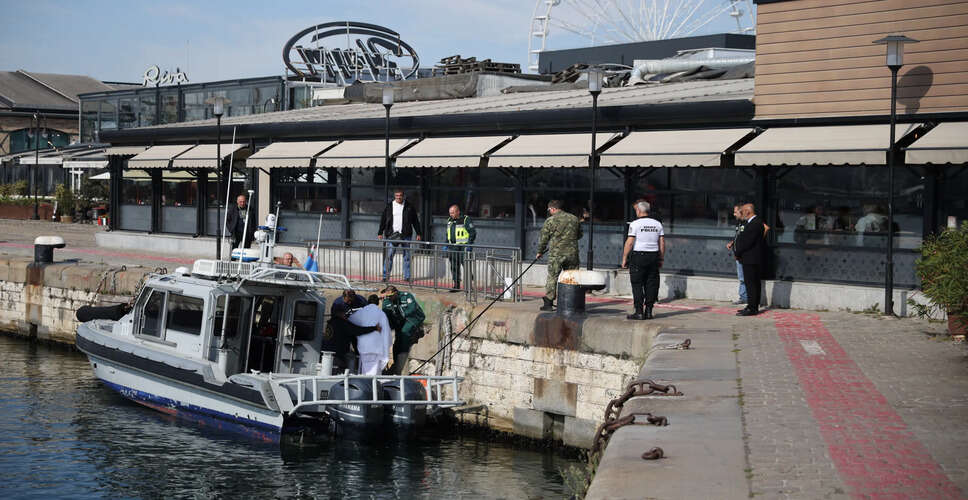

Bulgaria's President Highlights Deteriorating Security in the Black Sea
On Wednesday, Bulgaria's President Iliana Yotova expressed concerns that the ongoing conflict in Ukraine has severely impacted security in the Black Sea area. This statement followed an urgent meeting of the nation's Security Council, which was convened in response to recent drone strikes targeting vessels near Bulgaria's coastline.
Although Yotova refrained from directly attributing the drone attacks to Russia, she emphasized that the war in Ukraine is compromising the safety of commercial shipping. She noted a troubling increase in drone assaults on maritime vessels, resulting in significant damage, ship sinkings, and loss of life.
During the meeting, high-ranking officials evaluated the country's maritime security and essential infrastructure in light of the conflict in Ukraine. Yotova condemned the drone strikes on commercial ships as a serious breach of international law and called for a swift investigation to identify those responsible.
On Tuesday, two commercial ships were hit by drones, marking the first such incident within the exclusive economic zone of this NATO member state. The attacks occurred approximately 128 kilometers from Bulgaria's coast.
The Togo-flagged vessel, Alfa Watan, sustained severe structural damage and ultimately sank. The second ship, the Palau-flagged Able, caught fire as a result of the assault, prompting a Bulgarian ferry to evacuate all 18 crew members.
Bulgarian maritime officials announced on Wednesday that the search for the crew of Alfa Watan has been halted and will not continue. Vice Admiral Rumen Nikolov, who oversaw the rescue efforts, reported that no survivors or bodies had been located, describing the drone strike as having caused a massive explosion that led to the ship's rapid sinking.
While Bulgarian authorities are investigating the origin of the drones, Ukrainian President Volodymyr Zelenskyy has accused Russia of being behind the attacks. In a statement to local media, the Russian Embassy in Sofia denied any involvement, asserting that the ships were not among the targets of Russian military operations.
The Russian Defense Ministry indicated that determining the nationality of the drones will depend on the outcome of the ongoing investigation.
These drone strikes occurred just one day after a Turkish-owned cargo ship carrying corn caught fire due to a drone attack and subsequently sank in the Black Sea, resulting in two fatalities and the rescue of 11 crew members.
As Bulgaria and Romania continue to narrow down potential suspects, the European Commission has requested satellite imagery to assist in the investigation, with the EU providing analytical support.
If Zelenskyy's allegations are substantiated, these attacks on a NATO member could signify a new escalation in what European leaders and intelligence officials describe as a growing hybrid campaign by Russia aimed at testing the military alliance and the European Union.
Hybrid attacks are designed to destabilize nations, assess their defenses, strain resources, or sway public opinion, often obscuring the identities of those responsible.
An interactive map from a news agency tracking hybrid attack incidents shows a rise from 59 in March 2025 to over 200 currently.