
How is PM Modi Tackling the Energy Crisis Amid West Asia Turmoil?
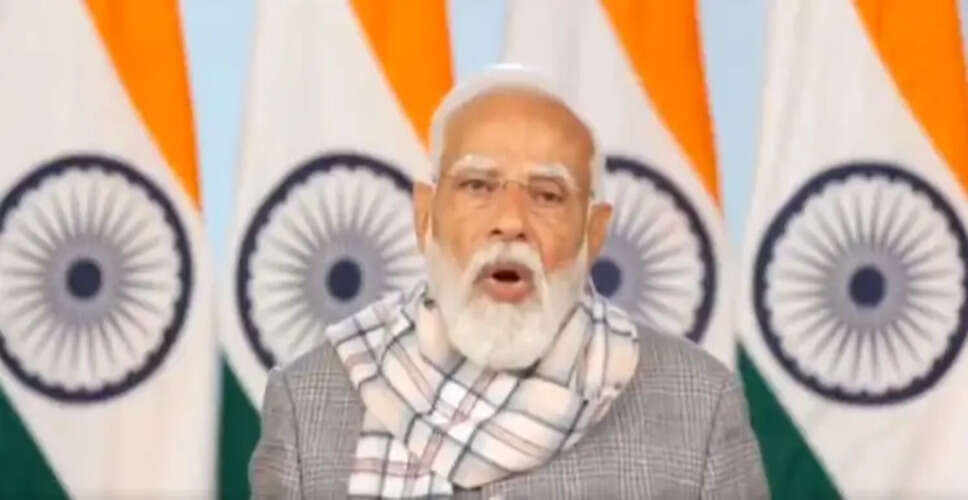
PM Modi's Strategic Review on Energy Supply
New Delhi: On Sunday, Prime Minister Narendra Modi convened a meeting with key ministers to assess the implications of the ongoing situation in West Asia on crude oil, gas, and other petroleum products, as well as the power and fertilizer sectors.
Sources from the government indicated that the primary aim of this discussion was to guarantee a steady supply, maintain stable logistics, and ensure effective distribution throughout the nation.
Among the attendees were Union Ministers Rajnath Singh (Defence), Amit Shah (Home Affairs), Shivraj Singh Chouhan (Agriculture), S. Jaishankar (External Affairs), Nirmala Sitharaman (Finance), J.P. Nadda (Health), Piyush Goyal (Commerce and Industry), and Ashwini Vaishnaw (Railways).
Also present were Union Ministers Sarbananda Sonowal (Ports and Shipping), Manohar Lal Khattar (Power), Pralhad Joshi (Food and Consumer Affairs), Kinjarapu Rammohan Naidu (Civil Aviation), and Hardeep Singh Puri (Petroleum), along with NSA Ajit Doval and the Prime Minister's principal secretaries, P.K. Mishra and Shaktikanta Das.
The meeting focused on the current global energy landscape, particularly in light of the West Asia conflict, and the government's proactive measures to ensure the uninterrupted supply of essential goods, including petroleum products.
On March 12, PM Modi remarked that the ongoing war in West Asia has instigated a global energy crisis, presenting a significant challenge that necessitates a response rooted in peace, patience, and heightened public awareness.
He reiterated that his administration is tirelessly working to mitigate the disruptions affecting international supply chains.
Modi also mentioned ongoing efforts to navigate the challenges posed by these supply chain interruptions.
Since the onset of the conflict on February 28, when the US and Israel launched attacks on Iran, the Prime Minister has engaged in discussions with numerous global leaders.
Iran's retaliation has included targeting Israel and several Gulf nations, and it controls the Strait of Hormuz, a crucial shipping lane responsible for transporting 20% of the world's energy.
The conflict has led to significant restrictions on maritime traffic, severely impacting energy supplies to various countries, including India.
Following the escalation, Modi has communicated with leaders from Saudi Arabia, UAE, Qatar, Bahrain, Kuwait, Jordan, France, Malaysia, Israel, and Iran.