
House Approves Bill for Permanent Daylight Saving Time

Legislation for Permanent Daylight Saving Time
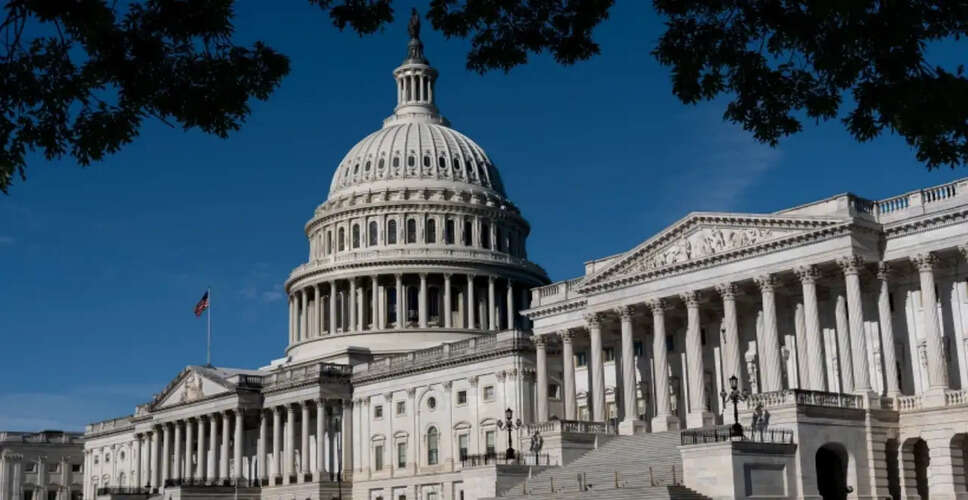
The House of Representatives has taken a significant step by passing a bill aimed at establishing permanent daylight saving time. This decision, made on Tuesday with a vote of 308-117, has garnered support from various quarters, including the White House, which argues that it would enhance daylight during peak activity hours for Americans.
Daylight saving time refers to the period from spring to fall when clocks are set one hour ahead of standard time in most regions of the United States. While states can choose to opt out by legislative action before the bill is enacted, the Senate must also approve the measure for it to become law, and its future remains uncertain.
Representative Gus Bilirakis from Florida emphasized the need to eliminate the biannual clock changes, stating that it disrupts daily life. He highlighted that more evening daylight would benefit families and local businesses, particularly in Florida, where tourism plays a vital role in the economy.
However, opponents of the bill express concerns that permanent daylight saving time could result in darker winter mornings, posing risks for children waiting for school buses and commuters heading to work. Representative Mary Gay Scanlon pointed out that many Americans would face complete darkness during winter mornings, which could be dangerous.
Representative Jim McGovern, while supporting the bill, questioned whether this was the most pressing issue for Congress to address, given the rising costs of living that many Americans are facing.
A recent poll conducted by The Associated Press-NORC Center for Public Affairs Research indicated that a majority of Americans, 56%, would prefer to maintain the extra hour of evening daylight if given the choice, while about 40% favored standard time with more morning light.
Prior to the House vote, the White House described the proposed 'Sunshine Protection Act' as a sensible reform and indicated that the president would likely endorse it if it reaches his desk. The topic of daylight saving time has been a point of interest for Congress since its introduction as a wartime measure in 1942, with a similar bill having passed the Senate four years ago but failing to progress in the House.