
Hope for Red Pandas: Five Cubs Born in Sikkim's Himalayan Zoological Park
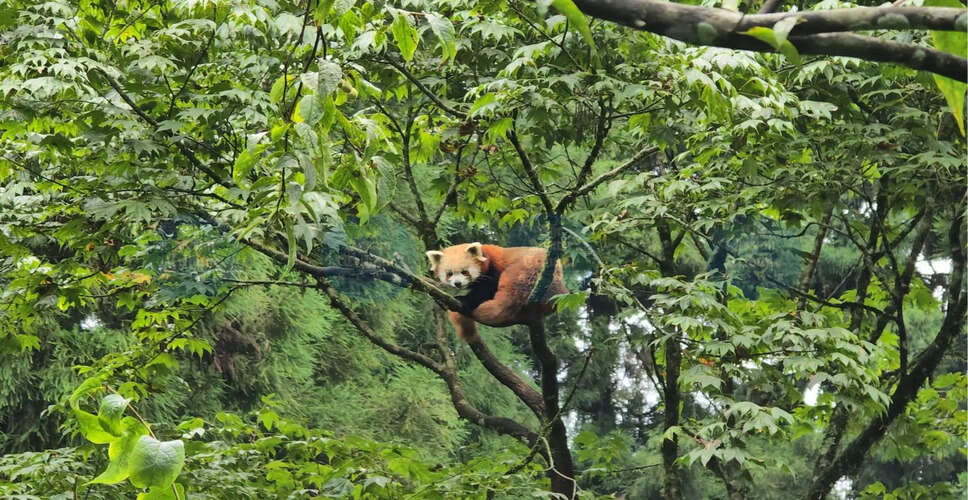

A Promising Breeding Season
The birth of red panda cubs is a significant milestone for the park, which has dedicated nearly thirty years to fostering a sustainable population of this endangered species.
Sikkim, Sept 20: Nestled in the hills of Sikkim, five adorable red panda cubs symbolize a beacon of hope for one of the state's longstanding wildlife conservation initiatives.
The Himalayan Zoological Park in Bulbuley has celebrated one of its most fruitful breeding seasons in recent memory, with five red panda cubs surviving out of six births.
Additionally, the park has welcomed two Himalayan black bear cubs and four Himalayan goral younglings, marking a season rich in new life across its conservation efforts.
The births of the red pandas are especially noteworthy for the park, which has invested nearly three decades in establishing a sustainable population of this endangered species through its breeding program.
Between late June and late July, three resident females—Lucky-2, Kimo Reep, and Songru Pundi—successfully gave birth during three separate events, with the cubs fathered by resident males Mirak and Dokhbu.
Challenges During Breeding Season
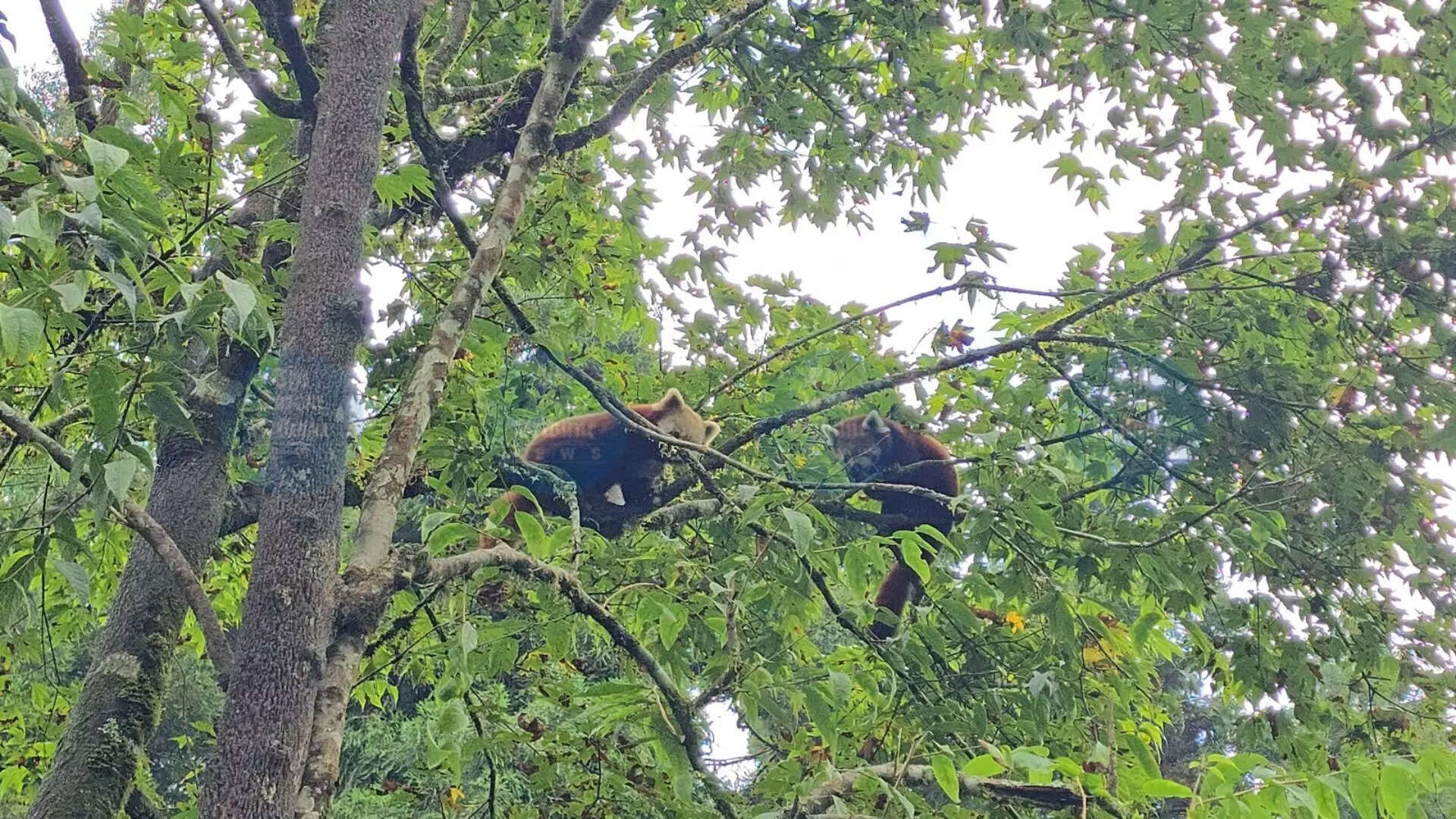
However, this breeding season faced challenges due to a difficult monsoon, with heavy rains forcing Songru Pundi to frequently relocate her litter in search of safer, drier areas.
The five surviving cubs are currently under careful observation as they enter a crucial developmental phase.
For the Himalayan Zoological Park, these births signify more than just a successful breeding season; they represent a significant step in the recovery of a program that experienced a major setback over a decade ago.
Launched in 1997, the park's red panda breeding initiative faced a crisis between 2012 and 2017 when three consecutive outbreaks of Canine Distemper resulted in the loss of 12 breeding animals.
This crisis left the park without a breeding male for seven years, putting immense pressure on the program.
Recovery began in 2022 with the introduction of a new breeding pair and three wild-origin individuals, which helped enhance the genetic diversity.
The recent births are now viewed as a vital step towards rebuilding the population and fortifying the program for the future.
Broader Conservation Efforts
The park has also seen the birth of two Himalayan black bear cubs and four Himalayan goral offspring this season, further boosting its efforts to conserve and restore Sikkim's native wildlife.
The goral population has particularly benefited from the park's reintroduction initiatives. In November 2025, six male Himalayan gorals were released into the wild, showcasing the park's evolving role as a refuge for rescued animals and a source for regional wildlife restoration.
For the newborn red pandas, the upcoming weeks are critical.
Park Director Sangay Gyatso Bhutia noted that the young cubs have entered a closely monitored three-month period where the risk of early mortality is notably high.
Human interaction is being minimized, with only essential health checks conducted by the zoo's veterinarian, biologist, and primary keeper.
This strategy is intentionally hands-off, allowing mothers to care for their young as naturally as possible, with the park intervening only when absolutely necessary.
This approach aligns with a broader conservation goal: not just to increase animal numbers, but to ensure that the young grow strong enough to contribute to the long-term recovery of threatened species in the region.
As International Red Panda Day was celebrated on September 19, the five cubs in Sikkim serve as a timely reminder of the achievements of sustained conservation efforts and the fragility of that success in its early stages.