
Historic Peace Agreement: US and Iran Resolve 107-Day Conflict

Major Breakthrough in US-Iran Relations
Washington: A significant agreement has been reached between the United States and Iran, effectively concluding a 107-day conflict and reopening the vital Strait of Hormuz, a crucial passage for global oil transport. The deal was finalized during an in-person signing in Switzerland on Friday.
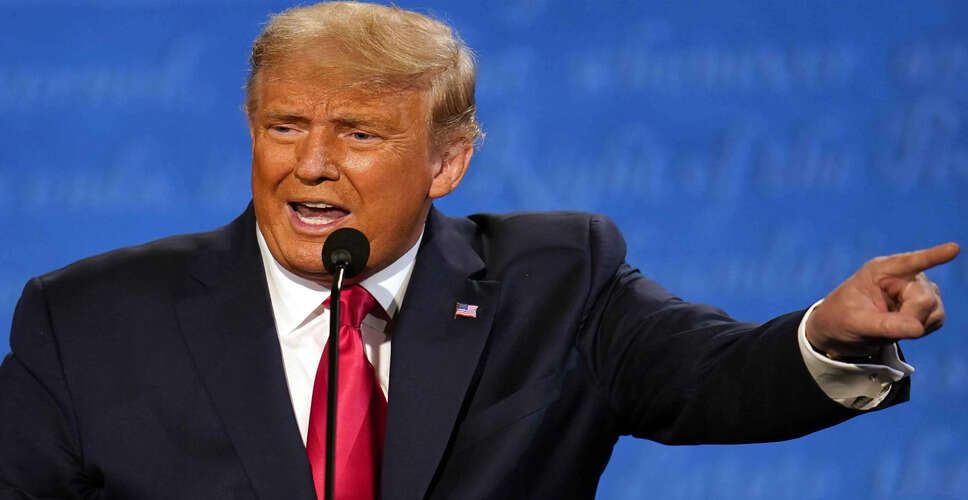
President Donald Trump announced the development on Truth Social, indicating that the peace accord would be officially signed on June 19 in Switzerland, which is expected to alleviate pressures on international energy markets.
"The agreement with Iran is now finalized. Congratulations to everyone involved," Trump stated, emphasizing that it would lead to the reopening of the Strait of Hormuz and the lifting of the US naval blockade on Iranian ports.
"I hereby authorize the unrestricted opening of the Strait of Hormuz and the immediate cessation of the US Naval blockade. Ships worldwide, prepare to set sail! Let the oil flow!" Trump declared.
In a follow-up post, Trump clarified that the Strait of Hormuz would officially reopen on Friday following the signing of the agreement.
This deal, finalized on Trump's 80th birthday, marked the end of a tumultuous week characterized by military actions and diplomatic negotiations, including US strikes on Iran and a last-minute decision by Trump to refrain from seizing control of Kharg Island, a key oil export site.
"This remarkable agreement will foster peace and security throughout the region. Many leaders have attempted to negotiate peace with Iran, but none have succeeded until now," Trump remarked.
"For the first time, regional leaders have found a president capable of facilitating genuine peace. With the Strait reopening upon the signing of the agreement, oil will flow freely for both the region and the world," he added.
Just hours before the deal's finalization, tensions escalated due to an Israeli airstrike targeting Hezbollah positions in Beirut, prompting Trump to engage in a tense discussion with Israeli Prime Minister Benjamin Netanyahu.
He informed US media that he had advised both Netanyahu and Iranian negotiators to remain vigilant against potential new attacks.
The agreement stipulates that the US and Iran will enter negotiations regarding Iran's nuclear enrichment and the management of its highly enriched uranium within a 60-day timeframe.
Mediators from Pakistan and Qatar facilitated the negotiations, which began with a two-week ceasefire agreement on April 8, later extended until the talks were concluded.
The US and Israel had initiated attacks on Iran on February 28, resulting in the loss of several high-ranking Iranian officials, including Supreme Leader Ayatollah Ali Khamenei and other key figures.
Khamenei's son, Mojtaba, has since assumed the role of supreme leader but has not made any public appearances since the onset of the conflict.