
Historic Meeting Between Trump and Venezuelan Opposition Leader Maria Corina Machado
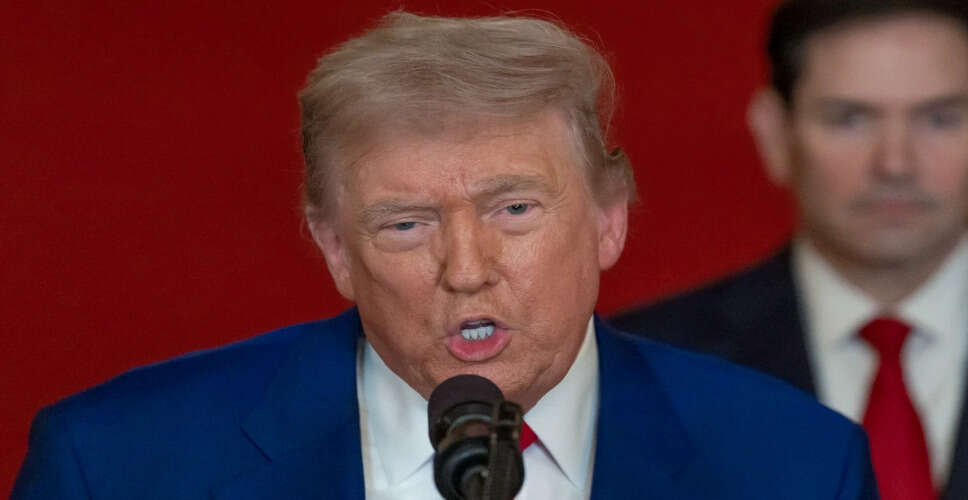
A Significant Encounter at the White House
In a landmark and symbolic move, President Donald Trump welcomed Venezuelan opposition leader and Nobel laureate Maria Corina Machado to the White House on Thursday. During their meeting, Machado presented the President with her 2025 Nobel Peace Prize medal, sparking considerable international attention.
A Symbolic Exchange: "Successor of Washington"
Machado, who received the Nobel Peace Prize for her relentless fight for democracy in Venezuela, referred to this gesture as a tribute to Trump's "unique commitment" to her country's freedom. She recalled the historical ties between the two nations, stating, "Two hundred years ago, General Lafayette presented a medal to Simon Bolivar featuring George Washington's likeness... Now, the people of Bolivar are returning a medal to Washington's successor as a recognition of their commitment to our freedom." President Trump confirmed the receipt of the gold medal on Truth Social, calling it "a wonderful step of mutual respect" and praised Machado as a "remarkable and brave voice."
Context of the Meeting
This meeting occurred amidst a shift in Venezuela's political landscape following the recent arrest of former President Nicolas Maduro, led by the United States. While Machado has long been the face of the democratic opposition, Trump has recently indicated a willingness to work with interim President Delsy Rodriguez to ensure stability and access to Venezuela's oil fields.
Reactions and Future Steps
After her visit to the White House, Machado went to Capitol Hill, where she reportedly received a warm welcome from a bipartisan group of senators. Meanwhile, the Nobel Committee reiterated that while a physical medal may change hands, the official recognition of the award remains with the original recipient.
Key Points to Monitor
Policy Changes: Will this "medal diplomacy" influence Trump to withdraw support from Delsy Rodriguez and return it to Machado?
Oil Industry: How will this emerging relationship affect American companies' access to Venezuela's oil fields?
Diplomatic Status: The potential reopening of the Venezuelan embassy in Washington, D.C.
Hopes for Democratic Progress
Democratic Senator Chris Murphy, one of the senators who met with Machado, noted that she informed them that oppression in Venezuela is now inseparable from Maduro's regime. He described interim President Delsy Rodriguez as a "shrewd operator" who is gaining strength daily due to Trump's support. Murphy expressed hope for elections but remained skeptical. Trump has stated his focus is on ensuring U.S. access to the country's oil and rebuilding Venezuela's economy. He has frequently praised Rodriguez, who was Maduro's second-in-command and became the leader of Venezuela upon his arrest.
In an interview with Reuters on Wednesday, Trump remarked, "It has been great dealing with her." Machado was barred from running in the 2024 presidential elections by a top court filled with Maduro's allies. External observers widely believe that Edmundo Gonzalez, an opposition leader backed by Machado, won by a significant margin, yet Maduro claimed victory and retained power. Although the current government has released dozens of political prisoners in recent days, external groups and supporters have claimed that Caracas has exaggerated the scale of these releases.
In her annual address to lawmakers, Rodriguez called for diplomacy with the U.S. and stated that if she needed to travel to Washington, she would "walk on her own feet, not be dragged there." She also mentioned her intention to propose reforms in her country's oil industry aimed at increasing access for foreign investors.