
Himachal Pradesh Revives Lottery System After 25-Year Hiatus to Boost Revenue

Revival of the Lottery System
Sunil Chadha
SHIMLA:
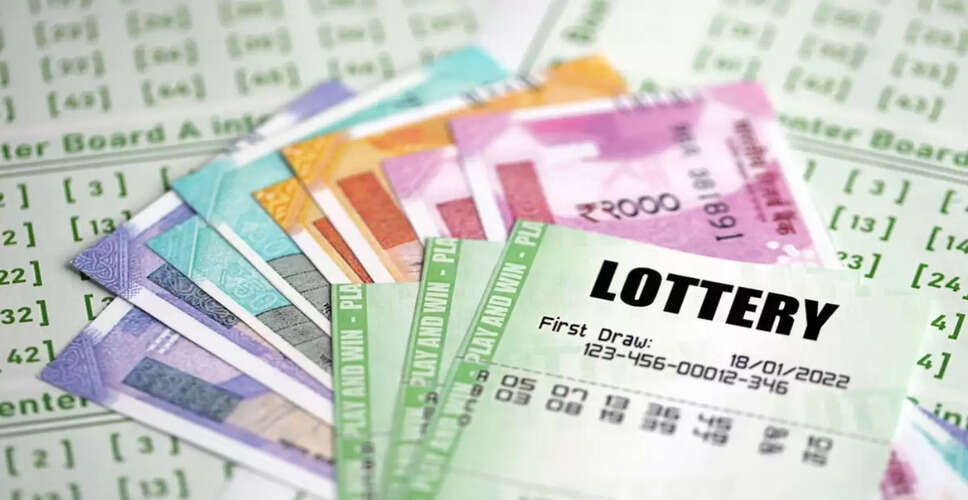
In a bid to enhance its dwindling revenue, the financially struggling Himachal Pradesh government has opted to reinstate its state lottery system, which had been banned for 25 years.
The Cabinet's decision comes as the state's debt has surged past Rs 1 lakh crore. The government, led by Sukhvinder Singh Sukhu, aims to generate between Rs 50 crore and Rs 100 crore annually through this initiative. However, this move has sparked a debate about whether it serves as a necessary financial boost or poses a risk to the public's financial well-being.
Background of the Ban
The Himachal state lottery was prohibited in 2000 during the BJP administration under Chief Minister Prem Kumar Dhumal. This ban followed increasing public outcry and reports of financial distress linked to compulsive gambling. Activists highlighted that significant amounts of money were leaving the state as residents purchased tickets from neighboring Punjab.
Utilizing the Lotteries (Regulation) Act of 1998, the state outlawed all lotteries, including those from other regions, aiming to curb addiction and protect vulnerable populations. An activist remarked, “We witnessed families facing devastation. The lottery was a societal issue.”
A Controversial Comeback
Fast forward to 2025, and Himachal Pradesh is grappling with severe financial challenges. With a debt exceeding Rs 1 lakh crore and few immediate revenue options, Chief Minister Sukhvinder Singh Sukhu's administration has turned to the contentious lottery system.
Industries Minister Harshvardhan Chauhan revealed that the lottery would be reinstated through a competitive tender process, drawing inspiration from successful models in states like Punjab, Kerala, and Sikkim. “We expect to generate annual revenues between Rs 50 crore and Rs 100 crore, which is vital for a state facing fiscal difficulties,” Chauhan stated.
The Resource Mobilisation Committee, led by Deputy CM Mukesh Agnihotri, advocated for the proposal after analyzing revenue from other states: Kerala earned Rs 13,582 crore from lotteries, Punjab Rs 235 crore, and even Sikkim, a smaller state, generated Rs 30 crore.
Officials contend that Himachal has already been losing substantial amounts to neighboring states where lotteries are legal. “This is about formalizing and taxing an activity that has been occurring informally,” a senior finance official commented.
Opposition to the Revival
Former Chief Minister and Leader of Opposition Jai Ram Thakur has criticized the decision, calling it “morally bankrupt.” He stated, “The same government that promotes ‘Vyavastha Parivartan’ is now endorsing something that previously led families to despair and financial ruin.”
Thakur accused the Sukhu administration of fostering “addiction-based revenue,” referencing the recent legalization of hemp cultivation and the increase in liquor licenses. “From liquor to bhang to lottery, this government is seeking revenue through destruction,” he asserted.
Critics express concern that the lottery's revival may disproportionately affect low-income families, who are more inclined to spend on tickets in hopes of winning. “While it may provide short-term financial gain, what will be the social implications?” questioned a local economist.