
Himachal Pradesh Faces Financial Strain Amid GST 2.0 Changes
Financial Challenges for Himachal Pradesh
S Gopal Puri
DHARAMSHALA:
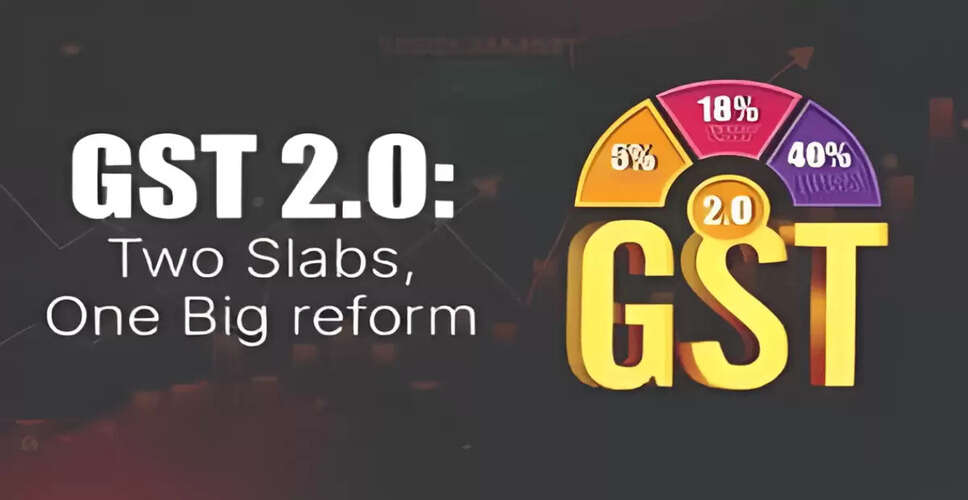
The financial situation in Himachal Pradesh is poised to worsen as the new GST 2.0 rationalization by the central government is anticipated to further reduce the state's tax revenues. Currently, the state is already burdened with a debt exceeding Rs 1 lakh crore, and this latest overhaul of the tax structure is likely to exacerbate its fiscal challenges, as revealed by government data presented in the Assembly during the winter session of the Vidhan Sabha on Friday.
Chief Minister Sukhvinder Singh Sukhu submitted Form-5 under the Himachal Pradesh Fiscal Responsibility and Budget Management Rules, 2005, which paints a concerning picture: both the fiscal and revenue deficits have surpassed the budget estimates for the ongoing financial year.
The fiscal deficit is projected to reach Rs 12,114 crore, accounting for 4.74 percent of the Gross State Domestic Product (GSDP), while the revenue deficit is estimated at Rs 7,434.92 crore, exceeding budgeted figures by Rs 1,044.85 crore. Additionally, the primary deficit is expected to rise from Rs 3,599.12 crore to Rs 5,375.15 crore.
Impact of GST Changes on State Revenue
GST shake-up: Major blow to state revenue
The report indicates that Himachal Pradesh is facing a potential decline of Rs 1,726.55 crore in tax revenue, primarily due to sluggish GST collections, decreased land revenue, and weak excise receipts. The central government's decision, following the recommendations from the 56th GST Council meeting, to rationalize GST slabs starting September 22, 2025, by eliminating the 12 percent and 28 percent rates is expected to further diminish the state's revenue share not only in 2025-26 but in the years that follow.
Moreover, the Himachal Pradesh Land Revenue Amendment Act, 2025, has encountered procedural delays in special assessments, meaning the anticipated Rs 1,000 crore revenue from land-related charges is unlikely to be realized this year. Non-tax receipts are expected to remain largely in line with budgeted levels.
Rising Expenditures Outpacing Income
Expenditure rising faster than income
While a slight increase in revenue receipts is anticipated through externally funded projects and enhanced health-sector grants to local bodies, the state's expenditure commitments are escalating significantly. The report highlights increases in grants, subsidies, Himcare liabilities, and compliance with various court orders, all contributing to higher revenue expenditures.
Additionally, committed liabilities and court-mandated payments have further increased outflows. The government is striving to reduce all non-essential expenditures and has initiated a rationalization of institutions to manage costs. To bridge the financing gap for specific schemes, new cesses have also been introduced.
Increased Funding for Centrally Sponsored Schemes
Centrally sponsored schemes: More funds, more spending
Allocations for centrally sponsored schemes are projected to rise by Rs 1,662.73 crore, driven by assistance from the National Disaster Response Fund (NDRF), PM Awas Yojana, MGNREGA, compensation for Renukaji Dam, PMGSY, PMKSY, the National AYUSH Mission, and upgrades for new nursing and medical colleges. However, expenditures under these schemes are also expected to increase by Rs 1,299.19 crore.
Capital expenditure is likely to grow by Rs 337.47 crore, primarily due to increased spending on rural drinking-water projects, road construction, the state's share under PMGSY, and court-mandated compensation cases. An additional capital outlay of Rs 40.90 crore is anticipated for AFD-funded projects such as Chanju-III and Devthal-Chanju.
To manage the escalating financial pressure, the state government has outlined several corrective measures, including enhancing tax and non-tax revenues, fully utilizing central funds for development initiatives, leveraging externally funded projects to support finances, and ensuring prudent use of Centre-approved loans.