
Himachal Pradesh Announces Minor Electricity Tariff Reduction for 2026-27
Himachal Pradesh Electricity Tariff Adjustment
Priyanka Thakur
Shimla
In a seemingly small yet impactful decision, the Himachal Pradesh Electricity Regulatory Commission has revealed a slight decrease of 1 paisa per unit in electricity tariffs for the fiscal year 2026–27. This adjustment will take effect starting April 1, 2026.
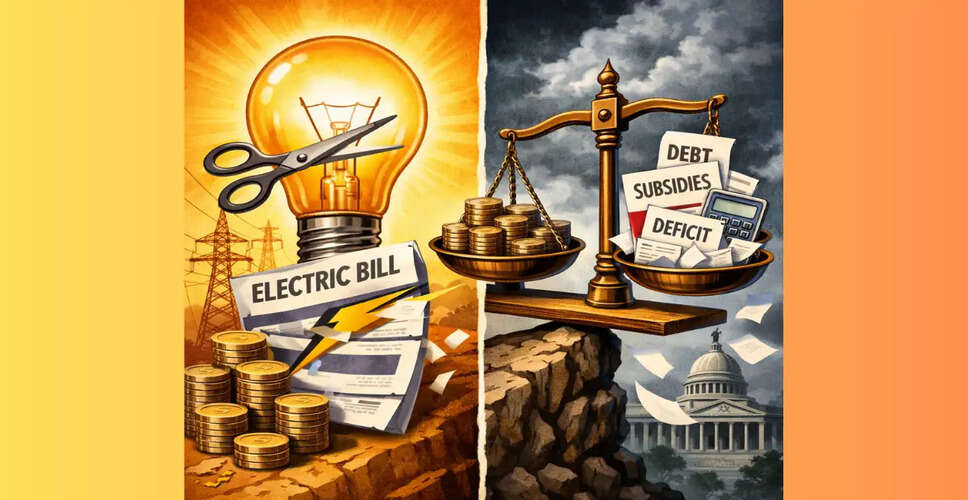
This reduction, while appearing minimal for individual users, carries significant economic and political implications. Amid rising inflation that is straining household finances, even a minor relief can help the government demonstrate its awareness of public issues without upsetting the delicate financial balance.
Managing Costs Without Increasing Consumer Burden
The Commission has projected the annual revenue requirement for the state power utility to be around ₹8,636 crore for 2026–27, which is an increase from the previous year. However, officials have opted not to transfer this financial burden directly to consumers.
This strategy indicates a careful balancing act—absorbing increased costs while steering clear of tariff hikes that might provoke public discontent.
Overview of the Revised Tariff Structure
• Domestic consumers: ₹4.71 to ₹5.89 per unit (slab-based)
• Agriculture: ₹5.03 per unit
• Non-domestic: ₹6.11 to ₹6.37 per unit
• Commercial: ₹6.20 to ₹6.39 per unit
• Small industries: ₹5.60–₹5.71 per unit
• EV charging: ₹6.78 per unit
Importance of Subsidies
In Himachal Pradesh, electricity pricing is significantly shaped by government subsidies. A large portion of the costs is absorbed by the state, effectively shielding consumers from actual market prices.
Experts suggest that the true effect on monthly electricity bills will hinge less on the nominal tariff reduction and more on the level of subsidy the government maintains in the upcoming fiscal year.
Beyond a Simple Price Adjustment
This decision is perceived as more than just a standard regulatory update. It signifies an effort to maintain a delicate balance between fiscal responsibility and political communication—providing relief without exacerbating the state's financial deficit.