
Himachal Pradesh: A Model for Sustainable Tourism Practices
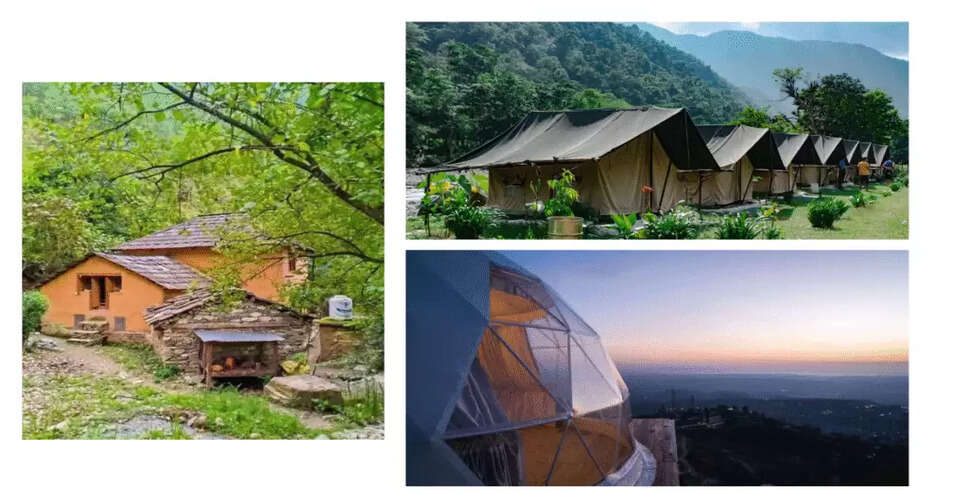
The Rise of Sustainable Tourism
Pallavi Sharma
Tourism has historically played a crucial role in enhancing global economies, particularly in areas rich in cultural and natural resources. However, conventional tourism often leads to significant environmental challenges, including deforestation, pollution, and overconsumption of resources. With increasing awareness, a new generation of travelers and industry leaders is advocating for sustainable tourism, which emphasizes eco-friendly practices that safeguard destinations while fostering economic development.
Understanding Sustainable Tourism
Sustainable tourism & key aspects
This approach focuses on harmonizing travel with environmental, cultural, and economic responsibilities. It aims to ensure that tourism benefits local communities while safeguarding their natural and cultural heritage for future generations.
Key components of sustainable tourism include:
- Environmental conservation: This involves protecting ecosystems, minimizing waste, and promoting eco-friendly practices.
- Cultural respect: It emphasizes the preservation of traditions, support for local artisans, and the promotion of intercultural understanding.
- Economic sustainability: This ensures fair wages, supports local businesses, and creates long-term job opportunities. In Himachal Pradesh, sustainable tourism is gaining momentum through initiatives that promote eco-tourism, organic farming, and heritage conservation. Globally, places like New Zealand and Palau have made strong commitments to sustainability.
Eco-Tourism Initiatives in Himachal Pradesh
Eco-tourism initiatives in Himachal.
- Protected natural reserves: The region is home to numerous national parks and wildlife sanctuaries, such as the Great Himalayan National Park and Pin Valley National Park, which prioritize conservation while allowing responsible tourism.
- Eco-friendly homestays: Villages like Naggar and Tirthan Valley have adopted sustainable tourism by providing solar-powered accommodations, organic meals, and cultural experiences that benefit local families.
- Community involvement: Local residents are encouraged to engage in tourism through handicraft sales, organic farming experiences, and guided nature tours, ensuring that economic benefits remain within the community.
- Adventure tourism with responsibility: Activities such as trekking, river rafting, and paragliding are conducted under eco-conscious guidelines to protect delicate ecosystems.
- Water body conservation: Initiatives are underway to preserve pristine lakes and rivers, including Dal Lake and Chandra Taal, through awareness campaigns and clean-up efforts.
- Sustainable agriculture tourism: Farm stays in Kullu and Kangra allow visitors to engage in organic farming, providing farmers with additional income while promoting sustainable practices.
Economic Advantages of Sustainable Tourism
Economic benefits of sustainable tourism
The impact of sustainable tourism on Himachal Pradesh’s economy has been profound, especially in rural and remote regions.
Here’s how:
- Job creation: Eco-tourism initiatives have created jobs for local guides, homestay operators, and artisans, helping to curb urban migration.
- Support for local businesses: Tourists who choose sustainable travel contribute to local handicraft sales, organic farming, and traditional food sectors, ensuring that revenue stays within the community.
- Infrastructure development: Tourism revenue has facilitated improvements in roads, healthcare, and education, benefiting both residents and visitors.
- Diversification of income: Farmers and villagers are now able to earn supplementary income through farm stays, nature tours, and adventure tourism, reducing their reliance on agriculture alone.
- Cultural and heritage preservation: Sustainable tourism promotes investment in heritage sites, festivals, and traditional crafts, ensuring long-term economic stability. Himachal Pradesh’s eco-tourism model exemplifies how responsible travel can bolster local economies while preserving natural and cultural heritage.
The Future of Sustainable Tourism
Sustainable tourism is evolving from a niche concept to a vital necessity for global travel. As travelers increasingly seek meaningful experiences that respect the planet, the industry must adapt to ensure that economic growth does not compromise environmental integrity. By embracing eco-friendly travel trends, destinations can thrive while safeguarding their natural beauty for future generations.
Eco-tourism in Himachal Pradesh serves as a shining example of sustainable travel, blending adventure with conservation. By adopting responsible tourism practices, visitors not only enjoy the stunning landscapes of the Himalayas but also play a role in preserving its pristine environments and vibrant communities. As Himachal continues to promote eco-friendly initiatives, every conscientious traveler contributes to its journey toward a greener, more sustainable future.
These initiatives position Himachal Pradesh as a leader in sustainable travel, ensuring that tourism supports both environmental conservation and local livelihoods.