
High-Stakes US-Iran Talks in Islamabad Amid Rising Tensions

Intensified Security and Diplomatic Engagement
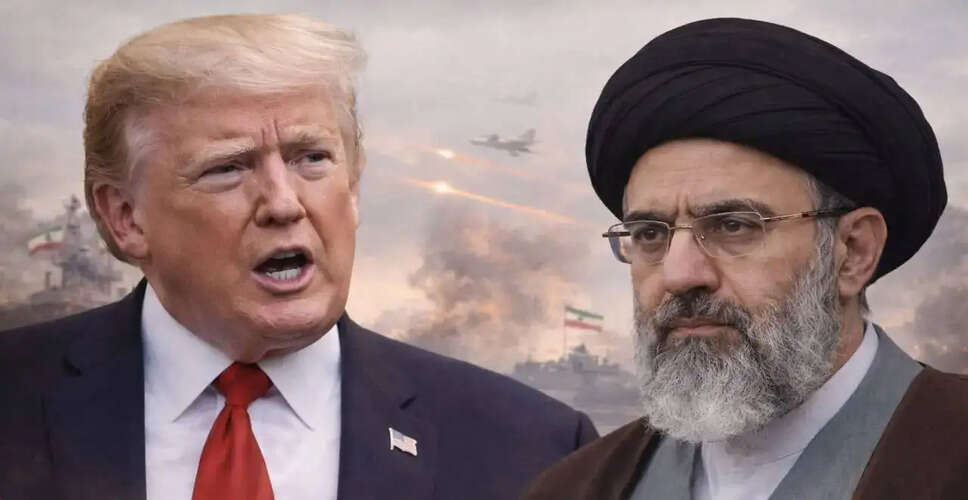
The streets of Islamabad have been freshly painted, and security measures have been significantly enhanced in the Red Zone. JD Vance has traveled for 16 hours to engage in discussions with Iranian representatives, whose government has faced US military actions for the past six weeks. This scenario raises questions about whether this is a sign of desperation masquerading as diplomacy. The ongoing discussions at the Serena Hotel in Islamabad mark the most significant interaction between Washington and Tehran since the Islamic Revolution in 1979, highlighting the decline of America's influence since the launch of Operation Epic Fury on February 28, which was expected to yield quick results similar to the US's previous actions in Venezuela against President Nicholas Maduro. However, the anticipated swift victory has not materialized.
Iran's closure of the Strait of Hormuz, a critical passage for 20% of the world's oil and gas, has led to a surge in prices, with oil reaching $120 per barrel. The cost of gasoline in the US, which was under $3 a gallon before the conflict, has now exceeded $4.15. This six-week conflict has inflicted a financial burden on American consumers that decades of sanctions failed to achieve. The University of Michigan's consumer sentiment index plummeted to 47.6 in April, marking the lowest level in its 74-year history, even lower than during the 2008 financial crisis and the early 1980s recession. Inflation expectations for the coming year have surged to 4.8%, the largest single-month increase recorded. With midterm elections approaching in November, the economic strain is palpable.
Iran arrived in Islamabad with a strong negotiating position, having already established its stance. The Iranian delegation, led by parliamentary speaker Mohammad Bagher Ghalibaf, stated that discussions would commence only if the US agreed to two conditions: a ceasefire in Lebanon and the release of Iranian assets. This approach reflects the confidence of a nation that has endured significant losses, including the death of its Supreme Leader, Ayatollah Ali Khamenei, while still maintaining control over a vital global chokepoint.
The US sought allies for its cause but found little support. German Defence Minister Boris Pistorius made it clear: “It is not our war. We did not start it.” UK Prime Minister Keir Starmer emphasized that this was never intended to be a NATO mission. Countries like Italy, France, and Greece also firmly declined to participate. Trump's initiative to form an international coalition to oversee the Strait of Hormuz quickly fell apart. The US is now engaged in this conflict and attempting to negotiate a resolution largely on its own. Even Israel, a key ally in this endeavor, is not fully aligned with the push for peace. This isolation is significant in the negotiations, as Iran can threaten to withdraw from talks, while the US cannot afford to do so with rising gasoline prices, dwindling consumer confidence, and an impending election cycle. Trump expressed optimism about the negotiations, while Iran's representatives conveyed their willingness to engage but emphasized their lack of trust.