
High-Level Security Meeting Led by PM Modi Addresses Regional Tensions and Energy Security
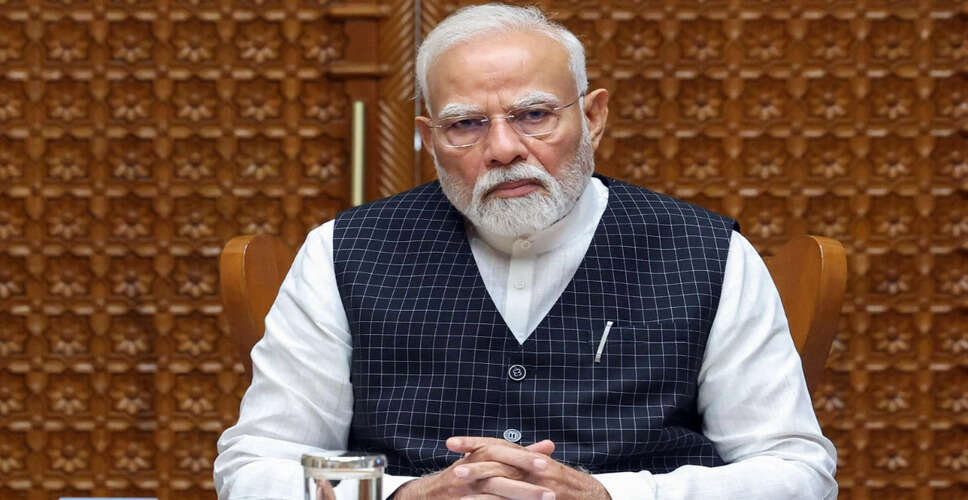

Cabinet Committee on Security Meeting Overview
A significant meeting of the Cabinet Committee on Security (CCS) took place under the leadership of Prime Minister Narendra Modi, attended by key ministers and security officials. According to sources, the discussions focused on the evolving situation in West Asia and its implications for India's energy security and fuel supply. Notable attendees included Defence Minister Rajnath Singh, Finance Minister Nirmala Sitharaman, External Affairs Minister S. Jaishankar, and Union Ministers Piyush Goyal, Kiren Rijiju, and J.P. Nadda. Additionally, Minister of Petroleum and Natural Gas Hardeep Singh Puri and Minister of Ports, Shipping, and Waterways Sarbananda Sonowal were present.
Geopolitical Tensions and Security Implications
National Security Advisor Ajit Doval participated in the meeting alongside other senior officials from the government and security sectors. The backdrop of the meeting included rising tensions between Iran and the United States, particularly following a fragile ceasefire that was disrupted. This escalation began during the funeral of former Supreme Leader Ali Khamenei, where Tehran vowed to retaliate against U.S. President Donald Trump. Additionally, disputes over the Strait of Hormuz were highlighted, with the U.S. seeking a return to pre-conflict shipping conditions, while Iran insisted on tolls for passage through this vital international route.
Military Actions and Legislative Developments
Consequently, the U.S. and Israel launched extensive airstrikes on Iranian infrastructure, prompting Iran to respond with drone and missile attacks targeting U.S. bases in the Gulf region. In response, Trump threatened severe retaliatory strikes. In a separate legislative development, Union Minister Jitendra Singh introduced the 'Public Examination (Prevention of Unfair Means) Amendment Bill, 2026' in the Rajya Sabha for consideration and passage. This bill aims to strengthen the legal framework against examination malpractices, including increasing penalties for paper leak incidents, establishing a special task force for investigations, and ensuring timely hearings through special fast-track courts.
Stay Updated with National News
For the latest updates on national politics, current events, and major news stories, stay tuned to National News.