
Hezbollah Dismisses U.S.-Brokered Ceasefire Amid Ongoing Conflict
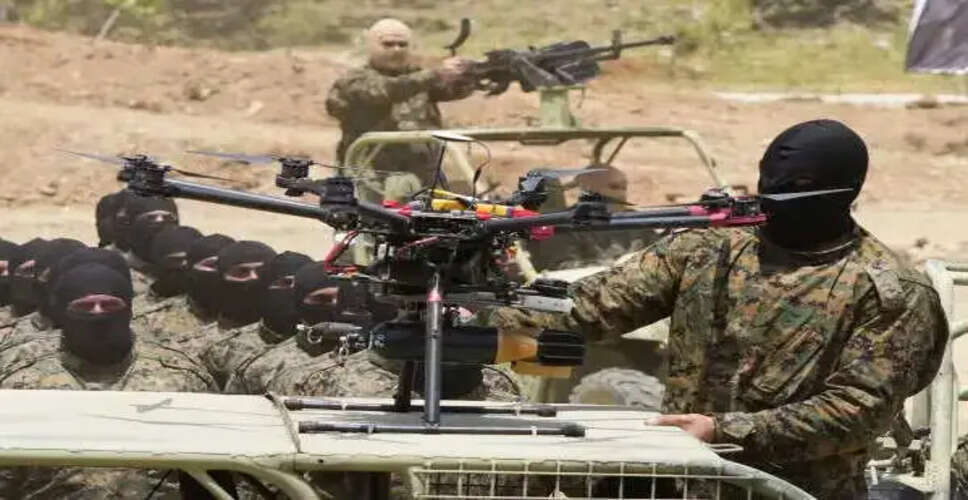

Hezbollah's Rejection of Ceasefire Proposal
Hezbollah has turned down a newly suggested ceasefire agreement mediated by the United States, asserting that any truce must entail a complete withdrawal of Israeli forces from southern Lebanon. This rejection follows a series of Israeli airstrikes that resulted in the deaths of at least four individuals in Lebanon, alongside the tragic death of a U.N. peacekeeper caught in crossfire, highlighting the difficulties in achieving peace in the escalating regional conflict.
Naim Kassem, the leader of Hezbollah, criticized the ceasefire proposal as 'absurd, humiliating, and insulting,' arguing that it would be tantamount to surrender if Hezbollah fighters were expected to vacate southern Lebanon while Israeli military actions persist. He emphasized that the group's primary goal is to halt Israeli assaults and ensure a full withdrawal of Israeli troops from Lebanese land.
The ceasefire plan, which was jointly announced by the U.S., Israel, and Lebanon after extensive negotiations, calls for a complete cessation of Hezbollah's attacks and the removal of all its operatives from areas south of the Litani River. This strategy aims to place these regions under the control of the Lebanese army and includes measures to eventually dismantle Hezbollah's military presence.
Following Kassem's remarks, drone alert sirens were activated in various northern Israeli communities, including Shlomi, where Israeli Prime Minister Benjamin Netanyahu was meeting with local officials. The Israeli military later reported that drones targeted areas near soldiers in southern Lebanon, although no injuries were reported.
🚨 BREAKING: Hezbollah releases new footage claiming another FPV drone strike on an Israeli Merkava tank in southern Lebanon. The video appears to show a direct hit on the rear of the tank. No confirmed casualties yet.#BreakingNews #Lebanon #Israel pic.twitter.com/wUXXs3n51x
— 𝑩𝒓𝒆𝒂𝒌𝒊𝒏𝒈 𝑵𝒆𝒘𝒔 🇺🇸 (@BREAKINGNEWS_XX) June 4, 2026
In the meantime, Lebanese forces have started to deploy in the southern village of Dibbine following the withdrawal of Israeli troops from the area. This marks the first Israeli retreat from territory captured during the ongoing conflict, which began approximately three months ago.
The persistent fighting complicates efforts to resolve the broader conflict linked to Iran and to reopen the strategically vital Strait of Hormuz, which has been disrupted, affecting global energy markets. Iran has reportedly insisted that any comprehensive ceasefire must also address the hostilities in Lebanon.
A Serbian peacekeeper with the United Nations Interim Force in Lebanon (UNIFIL) was killed, and two others were injured when a mortar shell struck their position near Marjayoun. Israel has attributed the incident to Hezbollah, although the source of the fire has not been independently verified.
Additional Israeli strikes reportedly resulted in the death of a motorcyclist in Maaroub and three individuals in Sohmor. Israel claims it targeted Hezbollah militants and weapon caches, while Lebanese authorities reported civilian casualties and property damage.
Despite multiple ceasefire announcements, fighting has persisted. Since the escalation of hostilities earlier this year, over 3,500 individuals have reportedly lost their lives in Lebanon, with more than 1.2 million displaced. Israel has reported 27 soldiers and three civilians killed in the conflict.
Lebanese President Joseph Aoun has characterized the latest ceasefire proposal as a potential final chance to achieve a comprehensive truce, although its implementation remains uncertain due to Hezbollah's refusal to accept the terms.