
Health Risks: Unsafe Spices Found in Popular Indian Brands
Introduction to Unsafe Spices in India
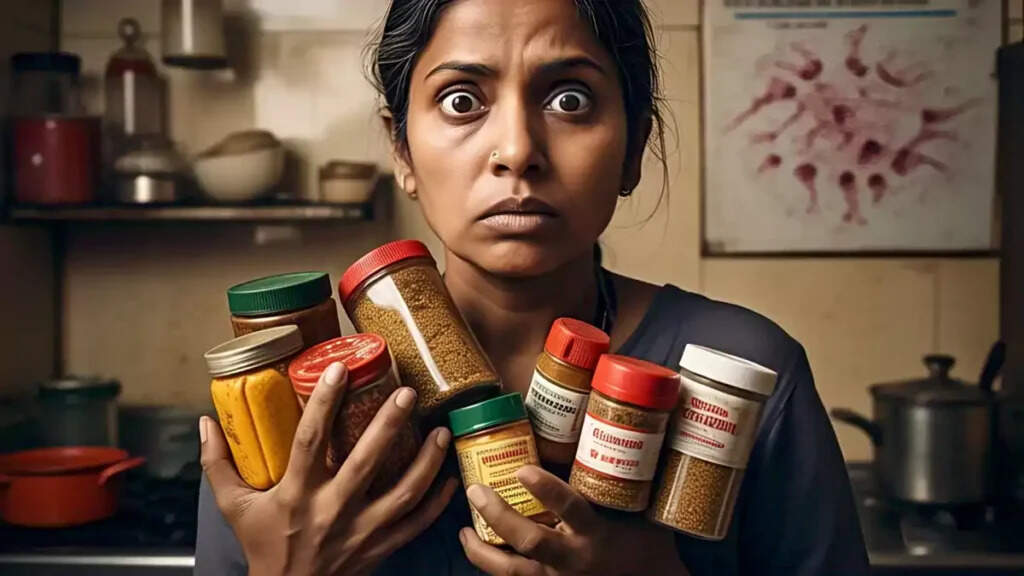
Recently, four spices from two major Indian companies were banned abroad due to the presence of harmful and potentially cancer-causing chemicals. Alarmingly, similar findings have emerged regarding spices from five companies within India.
Unsafe Spices for Consumption in India
Indian spices are renowned globally, even attracting the British during colonial times. Their unique flavors continue to captivate taste buds worldwide. However, reports surfaced that four spices from two prominent Indian firms were banned in Hong Kong and Singapore due to excessive levels of certain chemicals linked to cancer. Now, seven spices from five companies in Rajasthan have also been deemed unsafe for consumption.
Food Safety and Standards Authority of India (FSSAI)
The FSSAI has consistently warned against the potential adulteration of open spices, advising consumers to avoid them. However, trust in major brands is now being questioned. According to reports, on May 8, the Rajasthan government collected 93 samples, revealing that spices from five leading Indian companies were unsafe for consumption.
Unsafe Samples from Indian Spice Brands
Spices from brands such as MDH, Everest, Gajanan, Shyam, and Sheeba Taza were found to contain excessive amounts of controversial chemicals. High consumption of these chemicals can lead to severe health issues, including cancer. Under the Indian Food Safety and Standards Act, immediate action is being taken against these brands. Reports indicate that MDH's garam masala contained acetamiprid, thiamethoxam, and imidacloprid, while vegetable and chickpea masalas had elevated levels of tricyclazole and profenofos.
Dangers of Thiamethoxam
Thiamethoxam is a pesticide that, according to studies, can cause serious damage to the brain, liver, and female reproductive health if used over extended periods.
Spices from Everest, Shyam, Gajanan, and Sheeba Taza
The cumin spice from Everest, garam masala from Shyam, pickle spice from Gajanan, and raita spice from Sheeba Taza were also found to contain acetamiprid, thiamethoxam, ethion, and azoxystrobin, all of which pose health risks.
Cancer Risks
Pesticides have always been hazardous to humans, but their danger also depends on the amount consumed and whether they are carcinogenic. Studies have shown that thiamethoxam can increase the risk of liver cancer in rats, indicating that excessive use of these pesticides is considered dangerous for humans.