
Health Crisis in Indore: Contaminated Water Leads to Diarrhea Outbreak
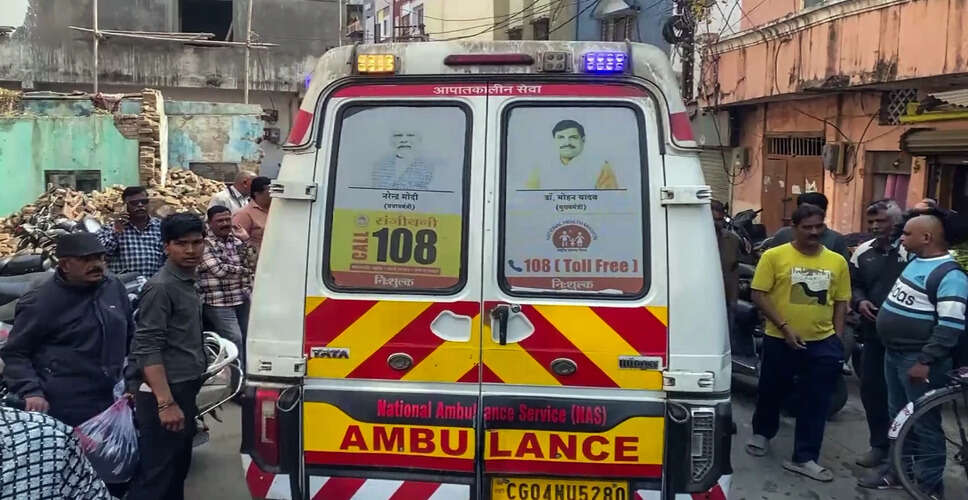
Indore Faces Health Emergency
The Bhagirathpura area of Indore is currently experiencing a quiet atmosphere, with only a few individuals present in temporary medical camps. The streets are largely deserted as over 200 residents have been admitted to 27 hospitals across the city due to severe diarrhea. Since Monday night, many have been outside caring for the sick as symptoms like vomiting and high fever began to emerge. Tragically, the outbreak has resulted in nine fatalities so far.
Contaminated Water Confirmed as Cause
Officials reported on Thursday that laboratory tests confirmed the outbreak of vomiting and diarrhea in Indore, a commercial hub in Madhya Pradesh, was caused by contaminated drinking water. This incident has raised concerns about the safety of the city's water supply, especially since Indore has been recognized as India's cleanest city for the past eight years.
Investigation into Water Supply
According to the Chief Medical and Health Officer (CMHO) of Indore, Dr. Madhav Prasad Hasani, a report from a local medical college indicated that a leak in a pipeline in the Bhagirathpura area led to the contamination of drinking water, which triggered the outbreak. However, detailed results of the test report were not disclosed.
Authorities discovered a leak in the main drinking water supply pipeline near a police station in Bhagirathpura, where a toilet had been constructed, claiming this leak was responsible for the contamination.
Preventive Measures Underway
Sanjay Dubey, the Additional Chief Secretary, stated that officials are thoroughly inspecting the entire drinking water supply pipeline in Bhagirathpura to identify any additional leaks. Following the investigation, clean water was supplied to homes in the area on Thursday, although residents were advised to boil water before consumption as a precaution.
Samples of the water have been collected and sent for testing. Dubey mentioned that based on the lessons learned from this water crisis, a Standard Operating Procedure (SOP) will be established for the entire state to prevent similar incidents in the future.
Government Response and Human Rights Concerns
After receiving directives from Chief Minister Mohan Yadav, Dubey visited Bhagirathpura to assess the situation. Authorities have increased monitoring of the water supply system to curb the outbreak.
Meanwhile, the National Human Rights Commission has issued a notice to the Madhya Pradesh government regarding the deaths, highlighting that local residents had been complaining about contaminated water supply for several days without any action from officials.
Chief Minister Yadav described the diarrhea outbreak as an 'emergency-like situation' and assured strict action against those responsible. He visited several hospitals to check on the patients' conditions and later held a high-level meeting to review the situation.
Health Department's Ongoing Efforts
A health department official reported that on Thursday, a survey was conducted in Bhagirathpura covering 1,714 households, with 8,571 individuals examined. Among them, 338 showed mild symptoms of vomiting and diarrhea, receiving initial treatment at home.
Since the outbreak began, 272 patients have been admitted to local hospitals over eight days, with 71 already discharged. Currently, 201 patients remain hospitalized, including 32 in the Intensive Care Unit (ICU).