
Haryana Government Unveils Ambitious Plan to Combat Air Pollution
Strategic Roadmap for Sustainable Mobility
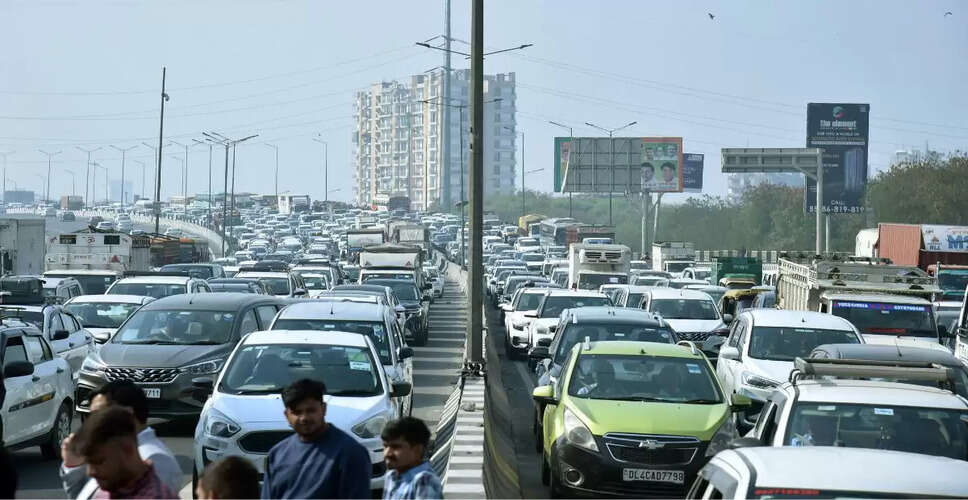
In a bid to promote sustainable mobility and enhance air quality in the National Capital Region (NCR), the Haryana Government has introduced a comprehensive new roadmap. The ongoing decline in air quality has raised concerns across multiple states. As part of a strategic action plan to tackle rising pollution levels, fuel stations in Gurugram, Faridabad, and Sonipat will stop supplying fuel to end-of-life vehicles starting November 1, 2025.
Implementation of Automatic Number Plate Recognition Systems
An official announcement from the Haryana Government indicates that from November, fuel stations in Gurugram, Faridabad, and Sonipat will be prohibited from providing petrol or diesel to vehicles. This restriction will also apply to Uttar Pradesh beginning April 1 of the following year. To ensure compliance with these regulations, the government plans to deploy new Automatic Number Plate Recognition cameras. These devices will provide real-time traffic surveillance to Command and Control centers, facilitating the issuance of fines, impounding of older vehicles, and scrapping processes.
Transition to Cleaner Transportation Options
Another significant proposal from the Haryana government includes the integration of CNG and electric three-wheeler auto rickshaws into existing fleets. Starting November 1, only BS6 compliant light, medium, and heavy goods carriers will be permitted entry into Delhi. All non-compliant goods vehicles will be barred from entering the city after October 31, 2026.
Enhancing Connectivity with BS6 Buses
Reports indicate that approximately 382 BS6 buses will be added to the fleet by the end of October, improving connectivity between Haryana and Delhi. Furthermore, no new diesel vehicles or petrol two-wheelers and four-wheelers will be allowed in the commercial fleet. From November 1, all buses entering Delhi must operate on electric, CNG, or BS6 standards.