
Hantavirus Outbreak on Atlantic Cruise Ship Raises Global Health Concerns

Overview of the Hantavirus Situation
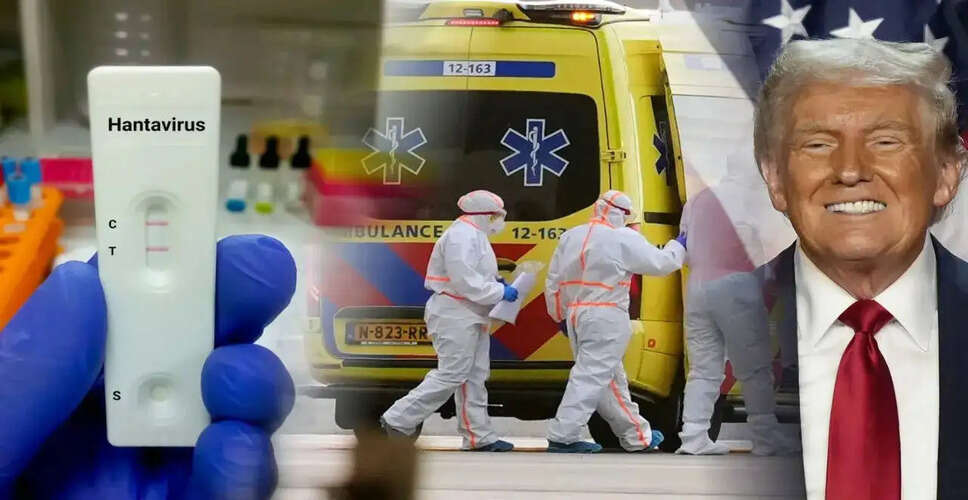
A rare outbreak of hantavirus linked to a cruise ship in the Atlantic has escalated into a significant public health issue, resulting in at least three fatalities and numerous passengers falling seriously ill. During a press conference on Thursday, Donald Trump reassured the public, stating that the situation seems to be under control. He mentioned that a comprehensive report would be released soon and that health officials are diligently monitoring the outbreak. “We’re doing the best we can,” he remarked when questioned about the potential for the virus to spread further. However, health authorities are grappling with a situation that is not fully understood, particularly since the strain involved may have limited human-to-human transmission capabilities, distinguishing it from most historical hantavirus cases.
Details of the Cruise Ship Incident
What Happened On The Cruise Ship
The outbreak is associated with a cruise ship carrying approximately 150 passengers across the Atlantic. Reports indicate that several individuals became ill during the journey, with some passengers disembarking before the initial suspected cases were made public. The vessel is currently en route to Spain’s Canary Islands while international health authorities continue to monitor the situation. The World Health Organization has issued alerts regarding this cluster, and the Centers for Disease Control and Prevention is closely observing US travelers who were on board. The State Department is also collaborating with international partners to investigate how the virus may have spread in the confined environment of the cruise.
Expert Concerns About the Outbreak
Why Experts Are Paying Attention To This Outbreak
Typically, hantavirus infections do not spread easily among humans, as they usually occur through contact with rodents or their droppings. However, this outbreak involves the Andes virus strain, which has been linked to potential person-to-person transmission. This distinction is crucial, as scientists are still trying to understand how the Andes virus spreads among humans. Some research suggests that transmission could occur through close contact with saliva or bodily fluids, although evidence for airborne transmission remains limited. Given the rarity of such outbreaks, the scientific data is still quite limited. Symptoms can escalate quickly, leading to severe respiratory issues, fluid accumulation in the lungs, kidney failure, or hemorrhagic fever.
Research Funding Cuts Under Scrutiny
Questions Over Scrapped Research Programme
This outbreak has reignited discussions about previous cuts to US research funding for emerging infectious diseases. Reports indicate that a pilot program focused on hantavirus transmission pathways was halted last year after the National Institutes of Health deemed parts of the research network unsafe. This project was associated with the West African Center for Emerging Infectious Diseases, which had been studying rodent-borne diseases and zoonotic spillover risks. Scott Weaver, a former principal investigator at WAC-EID, noted that researchers had been involved in related hantavirus studies in Argentina aimed at understanding how viruses like the Andes strain transmit between animals and humans, and potentially between infected individuals. This research is now receiving renewed attention as authorities investigate whether transmission on the cruise ship occurred solely through environmental exposure or involved infected passengers.
Monitoring Potential Exposure in the US
Five US States Monitoring Potential Exposure
Officials are currently monitoring potential exposure pathways across at least five US states, as some passengers from the ship traveled onward before the outbreak was widely recognized. At this point, there has been no public confirmation of broader community spread. Epidemiologists highlight that cruise ships present unique challenges for containment due to shared ventilation systems, confined spaces, and extensive passenger interactions over extended periods. This complexity may hinder efforts to fully trace transmission chains. Public health officials are expected to focus on passenger tracing, isolation protocols, and monitoring for delayed symptom onset.
Political Implications of the Outbreak
Political Pressure Building Around Public Health Preparedness
The incident comes amid increasing scrutiny regarding US public health preparedness. Critics of the current administration have pointed to previous cuts in funding for infectious disease programs, arguing that the infrastructure for surveillance and research on emerging pathogens has become increasingly strained. The administration has defended these funding decisions by citing biosafety concerns and shifting federal priorities. For now, the immediate focus remains on containment. While officials assert there is no evidence of uncontrolled spread, several critical questions about the outbreak remain unanswered, particularly regarding how the virus initially entered the cruise environment and whether any transmission occurred among passengers. The answers to these questions could determine whether this incident remains an isolated maritime outbreak or if it necessitates broader public health responses.