
Gyanvapi Mosque Dispute: Allahabad High Court Adjourns Hearing to February 3
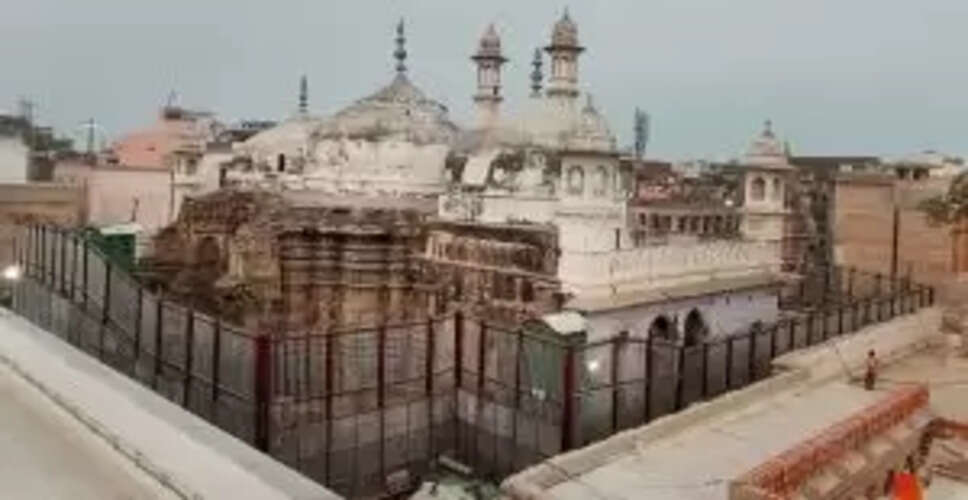
Latest Developments in the Gyanvapi Mosque Case
Prayagraj: On Monday, the Allahabad High Court postponed the hearing regarding the Gyanvapi mosque dispute in Varanasi until February 3, citing that the case is currently before the Supreme Court.
Justice Rohit Ranjan Agarwal presided over the session, which involved a petition requesting a scientific examination of the ablution area (wazu khana) within the Gyanvapi complex. This request specifically excludes a structure that the Hindu community identifies as a Shivling, while the Muslim community refers to it as a fountain, and it is to be conducted by the Archaeological Survey of India (ASI).
The civil revision petition was initiated by Rakhi Singh, one of the plaintiffs, in a Varanasi court.
Justice Agarwal noted that since the attorneys for both parties indicated that the Supreme Court is handling the matter, with a hearing scheduled for January 27, the high court's consideration of Singh's petition is now set for February 3.
This civil revision petition contests a ruling made by a Varanasi district judge on October 21, 2023, which declined to instruct the ASI to survey the 'wazu khana' area of the Gyanvapi mosque.
Singh, involved in the Shringar Gauri worship suit, argued that the survey is essential for ensuring justice.
She asserted that it would be beneficial for both the plaintiffs and defendants, aiding the court in reaching a fair decision regarding the case.